%22%20fill%3D%22rgb(0%2C0%2C0)%22%20d%3D%22M%201708.71%2032.0719%20L%201711.17%2032.1726%20L%201711.48%2033.8726%20C%201698.63%2068.7557%201678.15%20111.062%201663.25%20146.038%20L%201610.27%20270.222%20C%201600.68%20293.044%201548.56%20422.248%201540.04%20431.57%20C%201533.67%20438.547%201128.18%20599.98%201082.51%20618.503%20L%20896.13%20695.087%20C%20861.529%20708.971%20827.042%20723.139%20792.674%20737.591%20C%20773.372%20745.745%20749.086%20754.449%20732.134%20766.537%20C%20692.666%20794.684%20697.752%20841.911%20698.601%20884.356%20C%20699.702%20939.367%20740.841%20953.958%20782.454%20976.677%20L%20861.67%201020.18%20L%201099.89%201152.37%20C%201107.22%201156.5%201119.88%201164.35%201127.14%201167.58%20C%201169.86%201186.61%201146.74%201195.41%201117.9%201208.29%20C%201100.37%201216.11%201079.03%201225.42%201060.64%201233.58%20C%201010.18%201256.26%20959.538%201278.54%20908.726%201300.43%20C%20894.529%201306.71%20881.754%201312.22%20867.258%201317.69%20C%20862.804%201316.04%20858.4%201314.27%20854.051%201312.36%20C%20836.181%201304.32%20811.094%201289.47%20793.048%201279.86%20L%20667.457%201213.33%20L%20559.157%201156.4%20C%20524.558%201137.94%20487.124%201123.47%20472.687%201083.79%20C%20469.558%201074.97%20467.621%201065.77%20466.927%201056.43%20C%20465.765%201038.59%20466.66%201011.98%20466.668%20993.332%20L%20466.359%20873.615%20C%20465.984%20815.652%20463.947%20757.728%20465.485%20699.747%20C%20465.795%20688.052%20466.054%20675.662%20467.175%20664.054%20C%20469.31%20640.858%20475.406%20618.2%20485.2%20597.064%20C%20517.254%20527.676%20568.707%20508.151%20633.929%20480.324%20L%20726.507%20441.167%20L%201040.13%20310.018%20L%201452.31%20137.782%20L%201616.93%2069.4204%20C%201646.93%2057.0612%201678.5%2043.152%201708.71%2032.0719%20z%22%2F%3E%0D%0A%3Cpath%20transform%3D%22translate(0%2C0)%22%20fill%3D%22rgb(0%2C0%2C0)%22%20d%3D%22M%201180.36%20731.182%20C%201195.24%20733.945%201233.7%20756.876%201248.98%20765.026%20L%201364.16%20826.126%20L%201484.37%20889.381%20C%201498.57%20896.955%201532.42%20914.303%201544.52%20923.261%20C%201557.39%20932.823%201567.44%20945.681%201573.6%20960.477%20C%201577.74%20970.613%201580.28%20981.333%201581.12%20992.25%20C%201582.2%201006.88%201581.3%201032.21%201581.31%201047.95%20L%201581.63%201160.97%20C%201582.26%201211.62%201582.57%201262.29%201582.57%201312.95%20C%201582.44%201333.48%201582.84%201362.18%201581%201382.38%20C%201579.14%201403.66%201573.97%201424.53%201565.69%201444.23%20C%201551.08%201479.78%201525.53%201509.75%201492.74%201529.79%20C%201460.17%201549.9%201412.55%201568.06%201376.2%201583.68%20C%201297.89%201617.01%201219.4%201649.9%201140.72%201682.34%20L%20334.313%202018.15%20C%20339.936%202006.05%20344.516%201995.06%20349.5%201982.67%20C%20380.898%201908.42%20413.985%201834.57%20445.11%201760.02%20C%20459.052%201725.94%20473.375%201692.02%20488.076%201658.26%20C%20492.996%201647.05%20502.305%201624.37%20508.527%201614.93%20C%20525.371%201606.59%20557.563%201594.41%20575.732%201586.98%20L%20705.864%201534%20C%20845.58%201478.27%20984.961%201421.71%201124%201364.32%20L%201246.78%201313.94%20C%201290.4%201295.55%201343.27%201280.12%201348.5%201224.17%20C%201350.49%201202.85%201351.54%201164.6%201346.69%201143.96%20C%201344.6%201134.87%201340.77%201126.27%201335.41%201118.63%20C%201321.45%201099.1%201289.07%201084.29%201267.79%201072.67%20L%201188.51%201029.14%20L%20997.495%20923.267%20L%20933.233%20887.54%20C%20924.86%20882.894%20890.238%20867.795%20898.045%20858.391%20C%20907.874%20846.549%20953.243%20829.416%20967.235%20823.263%20L%201064.01%20780.291%20C%201087.5%20769.837%201111.05%20759.524%201134.65%20749.351%20C%201147.99%20743.555%201166.91%20734.741%201180.36%20731.182%20z%22%2F%3E%0D%0A%3C%2Fsvg%3E)
%22%20fill%3D%22rgb(255%2C255%2C255)%22%20d%3D%22M%201708.71%2032.0719%20L%201711.17%2032.1726%20L%201711.48%2033.8726%20C%201698.63%2068.7557%201678.15%20111.062%201663.25%20146.038%20L%201610.27%20270.222%20C%201600.68%20293.044%201548.56%20422.248%201540.04%20431.57%20C%201533.67%20438.547%201128.18%20599.98%201082.51%20618.503%20L%20896.13%20695.087%20C%20861.529%20708.971%20827.042%20723.139%20792.674%20737.591%20C%20773.372%20745.745%20749.086%20754.449%20732.134%20766.537%20C%20692.666%20794.684%20697.752%20841.911%20698.601%20884.356%20C%20699.702%20939.367%20740.841%20953.958%20782.454%20976.677%20L%20861.67%201020.18%20L%201099.89%201152.37%20C%201107.22%201156.5%201119.88%201164.35%201127.14%201167.58%20C%201169.86%201186.61%201146.74%201195.41%201117.9%201208.29%20C%201100.37%201216.11%201079.03%201225.42%201060.64%201233.58%20C%201010.18%201256.26%20959.538%201278.54%20908.726%201300.43%20C%20894.529%201306.71%20881.754%201312.22%20867.258%201317.69%20C%20862.804%201316.04%20858.4%201314.27%20854.051%201312.36%20C%20836.181%201304.32%20811.094%201289.47%20793.048%201279.86%20L%20667.457%201213.33%20L%20559.157%201156.4%20C%20524.558%201137.94%20487.124%201123.47%20472.687%201083.79%20C%20469.558%201074.97%20467.621%201065.77%20466.927%201056.43%20C%20465.765%201038.59%20466.66%201011.98%20466.668%20993.332%20L%20466.359%20873.615%20C%20465.984%20815.652%20463.947%20757.728%20465.485%20699.747%20C%20465.795%20688.052%20466.054%20675.662%20467.175%20664.054%20C%20469.31%20640.858%20475.406%20618.2%20485.2%20597.064%20C%20517.254%20527.676%20568.707%20508.151%20633.929%20480.324%20L%20726.507%20441.167%20L%201040.13%20310.018%20L%201452.31%20137.782%20L%201616.93%2069.4204%20C%201646.93%2057.0612%201678.5%2043.152%201708.71%2032.0719%20z%22%2F%3E%0D%0A%3Cpath%20transform%3D%22translate(0%2C0)%22%20fill%3D%22rgb(255%2C255%2C255)%22%20d%3D%22M%201180.36%20731.182%20C%201195.24%20733.945%201233.7%20756.876%201248.98%20765.026%20L%201364.16%20826.126%20L%201484.37%20889.381%20C%201498.57%20896.955%201532.42%20914.303%201544.52%20923.261%20C%201557.39%20932.823%201567.44%20945.681%201573.6%20960.477%20C%201577.74%20970.613%201580.28%20981.333%201581.12%20992.25%20C%201582.2%201006.88%201581.3%201032.21%201581.31%201047.95%20L%201581.63%201160.97%20C%201582.26%201211.62%201582.57%201262.29%201582.57%201312.95%20C%201582.44%201333.48%201582.84%201362.18%201581%201382.38%20C%201579.14%201403.66%201573.97%201424.53%201565.69%201444.23%20C%201551.08%201479.78%201525.53%201509.75%201492.74%201529.79%20C%201460.17%201549.9%201412.55%201568.06%201376.2%201583.68%20C%201297.89%201617.01%201219.4%201649.9%201140.72%201682.34%20L%20334.313%202018.15%20C%20339.936%202006.05%20344.516%201995.06%20349.5%201982.67%20C%20380.898%201908.42%20413.985%201834.57%20445.11%201760.02%20C%20459.052%201725.94%20473.375%201692.02%20488.076%201658.26%20C%20492.996%201647.05%20502.305%201624.37%20508.527%201614.93%20C%20525.371%201606.59%20557.563%201594.41%20575.732%201586.98%20L%20705.864%201534%20C%20845.58%201478.27%20984.961%201421.71%201124%201364.32%20L%201246.78%201313.94%20C%201290.4%201295.55%201343.27%201280.12%201348.5%201224.17%20C%201350.49%201202.85%201351.54%201164.6%201346.69%201143.96%20C%201344.6%201134.87%201340.77%201126.27%201335.41%201118.63%20C%201321.45%201099.1%201289.07%201084.29%201267.79%201072.67%20L%201188.51%201029.14%20L%20997.495%20923.267%20L%20933.233%20887.54%20C%20924.86%20882.894%20890.238%20867.795%20898.045%20858.391%20C%20907.874%20846.549%20953.243%20829.416%20967.235%20823.263%20L%201064.01%20780.291%20C%201087.5%20769.837%201111.05%20759.524%201134.65%20749.351%20C%201147.99%20743.555%201166.91%20734.741%201180.36%20731.182%20z%22%2F%3E%0D%0A%3C%2Fsvg%3E)

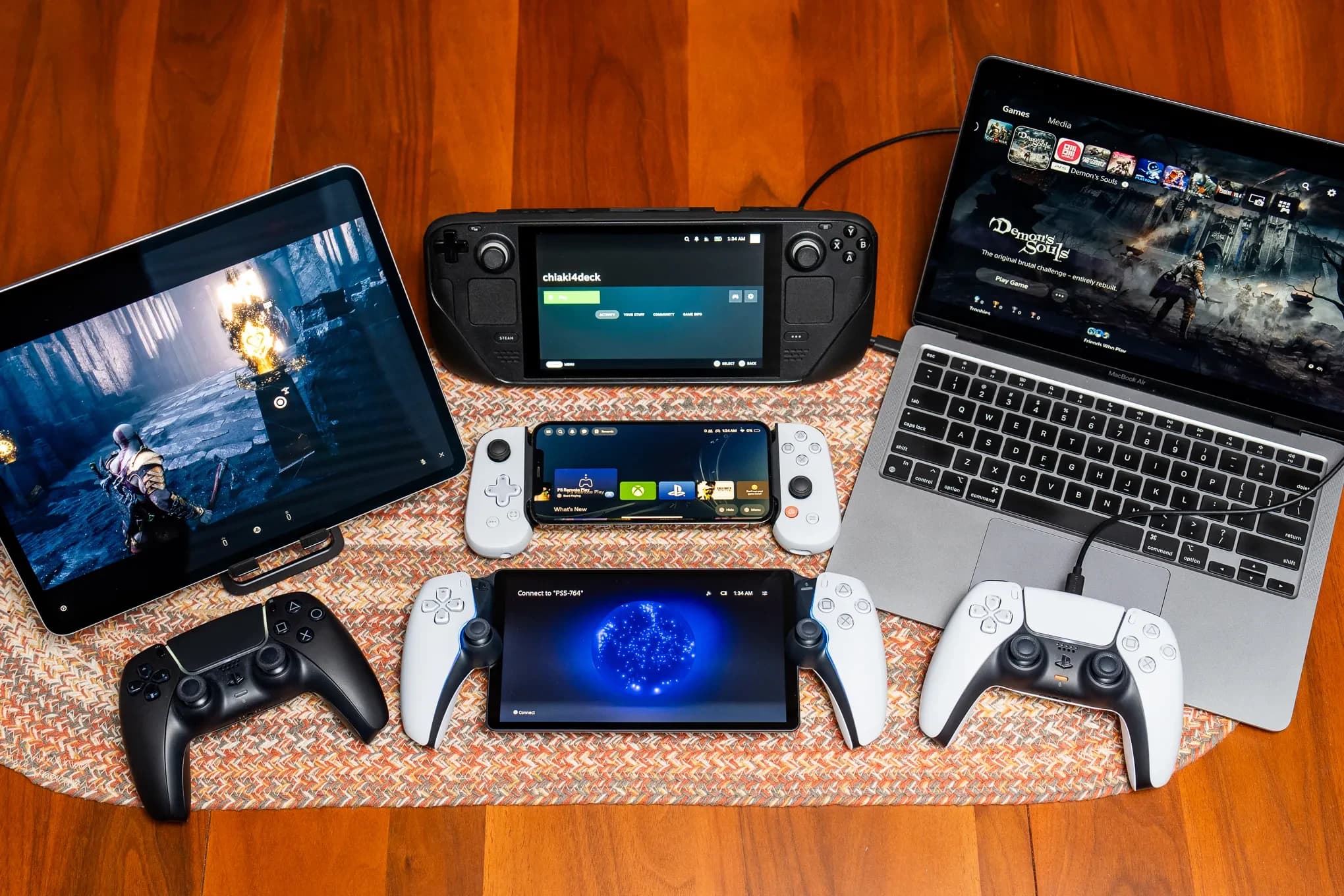
Sony is talking about the future of PlayStation in language that sounds friendly on the surface. “Beyond the living room” can easily be heard as a promise of flexibility: gaming outside the TV setup, stronger connections between the console and handheld devices, and a less rigid idea of what the next generation is supposed to be. The problem is that this kind of language always has a second layer. When a major platform holder stops talking about one console in the living room and starts talking about a broader ecosystem, that rarely leads to a cheaper or simpler way in for the customer.
The Verge’s reporting points to something important here. Sony is not merely hinting at a classic PS5 successor. It is hinting at a platform that expects to live more widely than a single box under a television. Strategically, that makes sense. The market changed. Players split time across large screens, portable sessions, and more fragmented daily habits. But from the user’s side, not every form of flexibility is automatically a gain. Sometimes it simply means more hardware, more cost, and a more diffuse answer to a once-simple question: what exactly do I need to buy to feel fully inside the PlayStation ecosystem?
PS6 as a platform “beyond the living room” sounds modern. The question is whether Sony wants to give players more freedom, or simply more places where that same player can be asked to spend again.
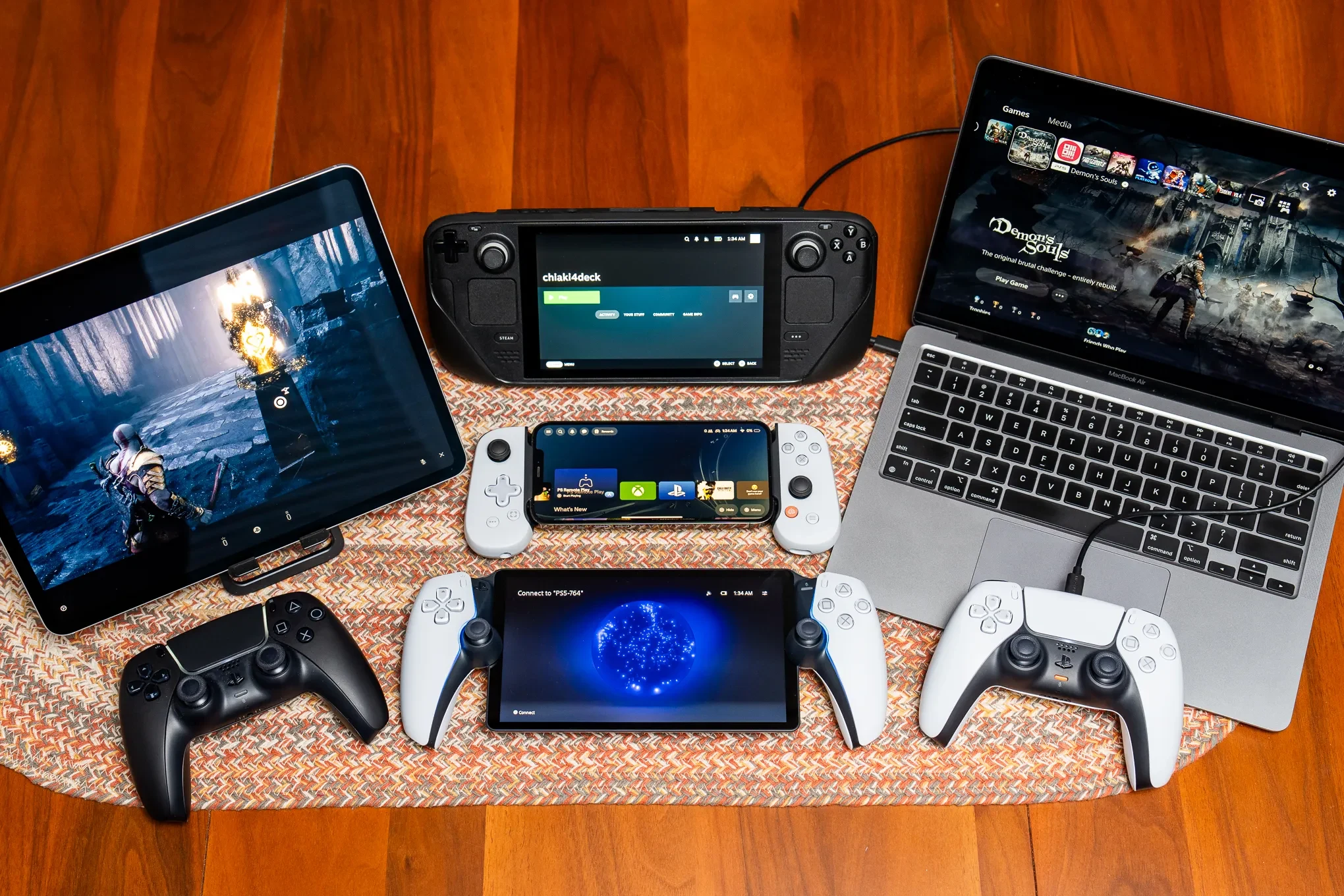
That does not mean the direction is wrong in principle. Sony has a rational reason to think more broadly. PlayStation Portal already showed that even a device many people treated as a niche add-on can trigger a serious conversation about how players want to use their PlayStation library now. Not everybody wants gaming to remain tied to a single ritual in front of one screen. More people want continuity. The issue is that continuity and value do not always travel together.
Sony is right to feel that one box under the TV is no longer enough
The market really has moved away from the world where platform strategy could be built entirely around a single device in one room. Nintendo turned mobility into a structural advantage. PC has trained players to think more ecologically about where and how their games live. Even Xbox, with all of its problems, has spent years pushing the idea that the brand should extend beyond one console. In that environment, Sony cannot keep pretending that the living room is the only center of gravity that matters.
In that sense, the direction is rational. If PlayStation wants to stay powerful through the next generation, it needs to exist where people actually want to consume games: sometimes on the main screen, sometimes in shorter sessions, sometimes through intermediate devices, and sometimes in a more scattered daily routine. The problem is not that Sony sees this clearly. The problem is how that observation will be translated into products and pricing.
Because the offer will decide everything. Players can tell the difference between convenience and fragmentation very quickly. If a company gives them a genuinely fluid experience at a tolerable entry cost, that is progress. If it turns that same language into a growing collection of devices, accessories, and semi-essential extensions, users start seeing less of a design vision and more of a sales architecture.
The most suspicious part of the whole story is pricing
The Verge highlights one point that should not be brushed aside: Sony is increasingly reluctant to sell future hardware at significant losses. That makes sense for shareholders and for corporate discipline. For the buyer, though, the translation is simple. PS6 may arrive not as an aggressively subsidized console designed to dominate the living room quickly, but as a more expensive product from day one because Sony no longer wants to absorb the old cost of entry.
Once that is combined with ecosystem thinking, the picture becomes more delicate. A more expensive base console is one thing. But if the “full” next-generation PlayStation experience is genuinely supposed to extend beyond the living room, then the price of complementary hardware becomes the next question. Is a handheld another premium purchase? Does Portal remain an accessory, or does it become part of the expected way to use the platform? Does the promise of “play anywhere” end up functioning as a very elegant way to sell the same customer a second or third doorway into the brand?
That is not cynical for the sake of being cynical. It is simply how ecosystems work. From a business perspective, the ideal customer is not the one who buys a single console once every seven years. The ideal customer is the one who lives inside the brand across multiple screens and multiple purchase points. Sony understands that perfectly well. That is why every sentence about “new usage styles” deserves a closer reading than the marketing department probably hopes it will get.
PlayStation Portal proved something real, but not everything
Portal is a useful symbol here. At launch, many people treated it as a strange experiment or a narrow accessory. Over time, it became clearer that Sony had tapped into a real user behavior: the desire to access PlayStation games more comfortably and more casually, without always committing to the full main-screen ritual. That is valuable information. What it does not do is automatically validate every broader ecosystem idea Sony might build on top of it.
Portal worked precisely because it was a simple extension of an existing relationship with the console. It did not attempt to redefine all of PlayStation at once. If PS6 wants to push further, Sony needs to be careful not to cross the line where a useful extension turns into an obligatory extra cost. Players embrace flexibility. They are far less enthusiastic when flexibility becomes a euphemism for a more expensive package.
In other words, Portal gave Sony an important behavioral signal, but not an unlimited mandate. The fact that some users enjoy PlayStation away from the main TV setup does not automatically mean every next “beyond the living room” device will feel justified. One successful bridge should not be mistaken for permission to build a toll road everywhere.
The biggest stake is not the PS6 box. It is the definition of PlayStation itself
This may be the most important part of the entire discussion. Not raw hardware power. Not launch timing. Not even form factor. The real issue is definitional. What is PlayStation supposed to be in the next cycle? Is it still a highly legible product where you buy a console and understand the whole model immediately? Or is it becoming a softer, more distributed platform where the experience is spread across devices, services, and usage layers?
The second scenario gives Sony more business opportunities. It may also give players more convenience. But only if it is built honestly. If the company overprices the base hardware, pushes additional devices too aggressively, or blurs the core experience too much, the effect will turn against it. PlayStation risks losing one of the strongest advantages it has held for years: clarity.
Clarity is underrated. In a world full of expanding hardware trees and increasingly layered services, people are drawn to products that still speak a simple language: buy this, and you understand what it is. Sony should remember that. “Beyond the living room” may be an attractive vision. As a purchasing model, it still has to earn trust.
What this direction could mean for players in 2027 and 2028
If Sony follows this path consistently, the next few years may bring a PlayStation platform that feels more connected than today. Better session continuity, stronger handheld relevance, and possibly a larger role for intermediate devices sitting between console and portable play. All of that can be sold as progress. The bill, however, will appear quickly. Players will start asking what it really costs to participate in this more elastic version of PlayStation.
That is where the reception of the next generation will be decided. Not only in the technical reveal, but in the everyday question that follows it: did Sony make gaming easier, or did it simply split one clear console model into several separate expenses? For the company, that is a strategic distinction. For the player, it is a very practical one.
The most underrated question right now is whether PlayStation will remain simple
Large technology companies love talking about flexibility, continuity, and more ways to meet the user. They are much less eager to say that every new access point also complicates the product model. Simplicity was one of PlayStation’s great strengths for years. Buy the hardware, understand the value, play the games. If Sony stretches that model too far, it may discover that convenience for one segment of users was purchased at the cost of clarity for everyone else.
That risk is real. The more the platform spreads across different devices and different usage scenarios, the harder it becomes to preserve a clean sense of what the core experience actually is. Enthusiasts may find that exciting. Less invested buyers often find it exhausting. And less invested buyers still matter enormously over the life of a console generation.
Sony can only win this transition if it does not confuse evolution with a larger bill
The best-case version is easy to imagine: one strong console, a sensible mobile or secondary access option, transparent rules, and no feeling that “real” participation requires buying half of a second platform. The worst-case version is the opposite: more expensive base hardware, companion devices acting like quasi-essential extensions, and a softer line between convenience and purchase pressure.
That is why Sony’s language now is so interesting. Underneath the modern framing sits a very old question: is the company building a better product, or merely a better monetization structure? With PS6, the answer may become visible faster than many players expect.


Comments
Discussion
Join the conversation around this story.
Join the discussion
Sign in to comment and reply to other readers.
Sign inNo comments yet
Start the discussion first.