%22%20fill%3D%22rgb(0%2C0%2C0)%22%20d%3D%22M%201708.71%2032.0719%20L%201711.17%2032.1726%20L%201711.48%2033.8726%20C%201698.63%2068.7557%201678.15%20111.062%201663.25%20146.038%20L%201610.27%20270.222%20C%201600.68%20293.044%201548.56%20422.248%201540.04%20431.57%20C%201533.67%20438.547%201128.18%20599.98%201082.51%20618.503%20L%20896.13%20695.087%20C%20861.529%20708.971%20827.042%20723.139%20792.674%20737.591%20C%20773.372%20745.745%20749.086%20754.449%20732.134%20766.537%20C%20692.666%20794.684%20697.752%20841.911%20698.601%20884.356%20C%20699.702%20939.367%20740.841%20953.958%20782.454%20976.677%20L%20861.67%201020.18%20L%201099.89%201152.37%20C%201107.22%201156.5%201119.88%201164.35%201127.14%201167.58%20C%201169.86%201186.61%201146.74%201195.41%201117.9%201208.29%20C%201100.37%201216.11%201079.03%201225.42%201060.64%201233.58%20C%201010.18%201256.26%20959.538%201278.54%20908.726%201300.43%20C%20894.529%201306.71%20881.754%201312.22%20867.258%201317.69%20C%20862.804%201316.04%20858.4%201314.27%20854.051%201312.36%20C%20836.181%201304.32%20811.094%201289.47%20793.048%201279.86%20L%20667.457%201213.33%20L%20559.157%201156.4%20C%20524.558%201137.94%20487.124%201123.47%20472.687%201083.79%20C%20469.558%201074.97%20467.621%201065.77%20466.927%201056.43%20C%20465.765%201038.59%20466.66%201011.98%20466.668%20993.332%20L%20466.359%20873.615%20C%20465.984%20815.652%20463.947%20757.728%20465.485%20699.747%20C%20465.795%20688.052%20466.054%20675.662%20467.175%20664.054%20C%20469.31%20640.858%20475.406%20618.2%20485.2%20597.064%20C%20517.254%20527.676%20568.707%20508.151%20633.929%20480.324%20L%20726.507%20441.167%20L%201040.13%20310.018%20L%201452.31%20137.782%20L%201616.93%2069.4204%20C%201646.93%2057.0612%201678.5%2043.152%201708.71%2032.0719%20z%22%2F%3E%0D%0A%3Cpath%20transform%3D%22translate(0%2C0)%22%20fill%3D%22rgb(0%2C0%2C0)%22%20d%3D%22M%201180.36%20731.182%20C%201195.24%20733.945%201233.7%20756.876%201248.98%20765.026%20L%201364.16%20826.126%20L%201484.37%20889.381%20C%201498.57%20896.955%201532.42%20914.303%201544.52%20923.261%20C%201557.39%20932.823%201567.44%20945.681%201573.6%20960.477%20C%201577.74%20970.613%201580.28%20981.333%201581.12%20992.25%20C%201582.2%201006.88%201581.3%201032.21%201581.31%201047.95%20L%201581.63%201160.97%20C%201582.26%201211.62%201582.57%201262.29%201582.57%201312.95%20C%201582.44%201333.48%201582.84%201362.18%201581%201382.38%20C%201579.14%201403.66%201573.97%201424.53%201565.69%201444.23%20C%201551.08%201479.78%201525.53%201509.75%201492.74%201529.79%20C%201460.17%201549.9%201412.55%201568.06%201376.2%201583.68%20C%201297.89%201617.01%201219.4%201649.9%201140.72%201682.34%20L%20334.313%202018.15%20C%20339.936%202006.05%20344.516%201995.06%20349.5%201982.67%20C%20380.898%201908.42%20413.985%201834.57%20445.11%201760.02%20C%20459.052%201725.94%20473.375%201692.02%20488.076%201658.26%20C%20492.996%201647.05%20502.305%201624.37%20508.527%201614.93%20C%20525.371%201606.59%20557.563%201594.41%20575.732%201586.98%20L%20705.864%201534%20C%20845.58%201478.27%20984.961%201421.71%201124%201364.32%20L%201246.78%201313.94%20C%201290.4%201295.55%201343.27%201280.12%201348.5%201224.17%20C%201350.49%201202.85%201351.54%201164.6%201346.69%201143.96%20C%201344.6%201134.87%201340.77%201126.27%201335.41%201118.63%20C%201321.45%201099.1%201289.07%201084.29%201267.79%201072.67%20L%201188.51%201029.14%20L%20997.495%20923.267%20L%20933.233%20887.54%20C%20924.86%20882.894%20890.238%20867.795%20898.045%20858.391%20C%20907.874%20846.549%20953.243%20829.416%20967.235%20823.263%20L%201064.01%20780.291%20C%201087.5%20769.837%201111.05%20759.524%201134.65%20749.351%20C%201147.99%20743.555%201166.91%20734.741%201180.36%20731.182%20z%22%2F%3E%0D%0A%3C%2Fsvg%3E)
%22%20fill%3D%22rgb(255%2C255%2C255)%22%20d%3D%22M%201708.71%2032.0719%20L%201711.17%2032.1726%20L%201711.48%2033.8726%20C%201698.63%2068.7557%201678.15%20111.062%201663.25%20146.038%20L%201610.27%20270.222%20C%201600.68%20293.044%201548.56%20422.248%201540.04%20431.57%20C%201533.67%20438.547%201128.18%20599.98%201082.51%20618.503%20L%20896.13%20695.087%20C%20861.529%20708.971%20827.042%20723.139%20792.674%20737.591%20C%20773.372%20745.745%20749.086%20754.449%20732.134%20766.537%20C%20692.666%20794.684%20697.752%20841.911%20698.601%20884.356%20C%20699.702%20939.367%20740.841%20953.958%20782.454%20976.677%20L%20861.67%201020.18%20L%201099.89%201152.37%20C%201107.22%201156.5%201119.88%201164.35%201127.14%201167.58%20C%201169.86%201186.61%201146.74%201195.41%201117.9%201208.29%20C%201100.37%201216.11%201079.03%201225.42%201060.64%201233.58%20C%201010.18%201256.26%20959.538%201278.54%20908.726%201300.43%20C%20894.529%201306.71%20881.754%201312.22%20867.258%201317.69%20C%20862.804%201316.04%20858.4%201314.27%20854.051%201312.36%20C%20836.181%201304.32%20811.094%201289.47%20793.048%201279.86%20L%20667.457%201213.33%20L%20559.157%201156.4%20C%20524.558%201137.94%20487.124%201123.47%20472.687%201083.79%20C%20469.558%201074.97%20467.621%201065.77%20466.927%201056.43%20C%20465.765%201038.59%20466.66%201011.98%20466.668%20993.332%20L%20466.359%20873.615%20C%20465.984%20815.652%20463.947%20757.728%20465.485%20699.747%20C%20465.795%20688.052%20466.054%20675.662%20467.175%20664.054%20C%20469.31%20640.858%20475.406%20618.2%20485.2%20597.064%20C%20517.254%20527.676%20568.707%20508.151%20633.929%20480.324%20L%20726.507%20441.167%20L%201040.13%20310.018%20L%201452.31%20137.782%20L%201616.93%2069.4204%20C%201646.93%2057.0612%201678.5%2043.152%201708.71%2032.0719%20z%22%2F%3E%0D%0A%3Cpath%20transform%3D%22translate(0%2C0)%22%20fill%3D%22rgb(255%2C255%2C255)%22%20d%3D%22M%201180.36%20731.182%20C%201195.24%20733.945%201233.7%20756.876%201248.98%20765.026%20L%201364.16%20826.126%20L%201484.37%20889.381%20C%201498.57%20896.955%201532.42%20914.303%201544.52%20923.261%20C%201557.39%20932.823%201567.44%20945.681%201573.6%20960.477%20C%201577.74%20970.613%201580.28%20981.333%201581.12%20992.25%20C%201582.2%201006.88%201581.3%201032.21%201581.31%201047.95%20L%201581.63%201160.97%20C%201582.26%201211.62%201582.57%201262.29%201582.57%201312.95%20C%201582.44%201333.48%201582.84%201362.18%201581%201382.38%20C%201579.14%201403.66%201573.97%201424.53%201565.69%201444.23%20C%201551.08%201479.78%201525.53%201509.75%201492.74%201529.79%20C%201460.17%201549.9%201412.55%201568.06%201376.2%201583.68%20C%201297.89%201617.01%201219.4%201649.9%201140.72%201682.34%20L%20334.313%202018.15%20C%20339.936%202006.05%20344.516%201995.06%20349.5%201982.67%20C%20380.898%201908.42%20413.985%201834.57%20445.11%201760.02%20C%20459.052%201725.94%20473.375%201692.02%20488.076%201658.26%20C%20492.996%201647.05%20502.305%201624.37%20508.527%201614.93%20C%20525.371%201606.59%20557.563%201594.41%20575.732%201586.98%20L%20705.864%201534%20C%20845.58%201478.27%20984.961%201421.71%201124%201364.32%20L%201246.78%201313.94%20C%201290.4%201295.55%201343.27%201280.12%201348.5%201224.17%20C%201350.49%201202.85%201351.54%201164.6%201346.69%201143.96%20C%201344.6%201134.87%201340.77%201126.27%201335.41%201118.63%20C%201321.45%201099.1%201289.07%201084.29%201267.79%201072.67%20L%201188.51%201029.14%20L%20997.495%20923.267%20L%20933.233%20887.54%20C%20924.86%20882.894%20890.238%20867.795%20898.045%20858.391%20C%20907.874%20846.549%20953.243%20829.416%20967.235%20823.263%20L%201064.01%20780.291%20C%201087.5%20769.837%201111.05%20759.524%201134.65%20749.351%20C%201147.99%20743.555%201166.91%20734.741%201180.36%20731.182%20z%22%2F%3E%0D%0A%3C%2Fsvg%3E)

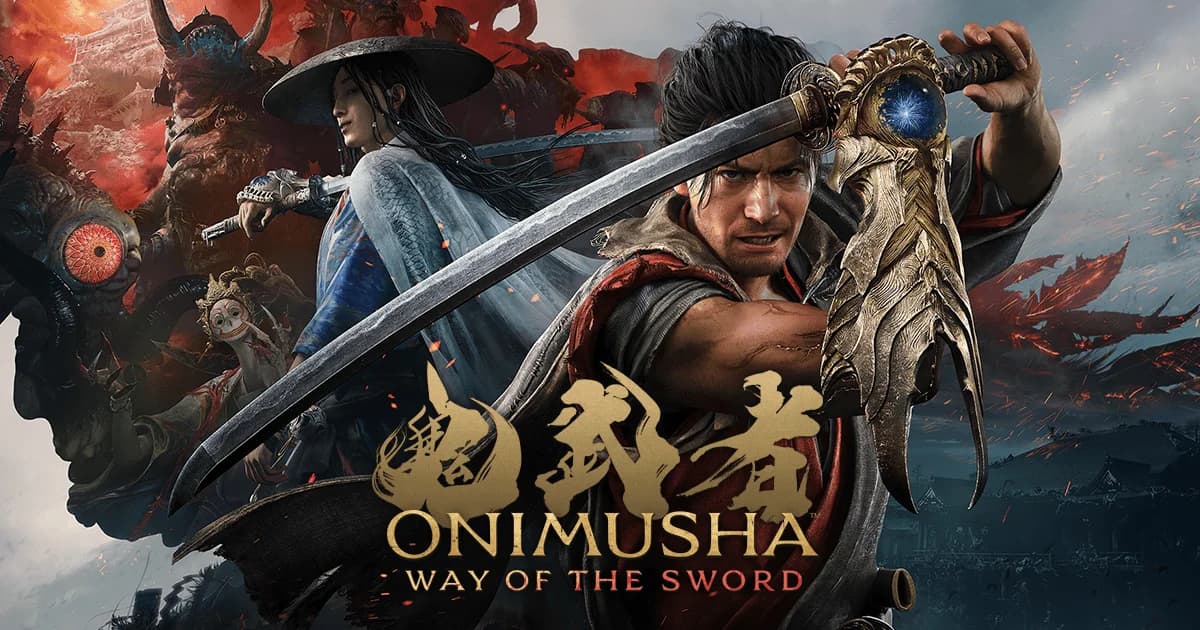
IGN had never given a perfect score to any Onimusha game before. On September 4, Capcom released Way of the Sword, the first mainline entry in the series in twenty years, and the franchise picked up its first-ever 10/10 from the outlet. Metacritic sits at 86, OpenCritic at 85 with a "Mighty" badge in the site's top 5%, and 94% of critics recommend it without reservation. Almost every reviewer praises the combat. Almost every reviewer flags the same problem: a twelve-hour game gets stretched to twenty-five hours by fighting the same bosses seven or eight times.
Twenty years off, a decision made six years ago
The last mainline entry, Onimusha: Dawn of Dreams, came out in 2006 on PlayStation 2. Producer Akihito Kadowaki has said outright that people at Capcom always wanted to bring the series back, they just never had the budget for it. Way of the Sword got its green light in early 2020, once RE Engine, Capcom's own tech, had expanded enough that building the game no longer meant starting from zero.
The brand had good reasons for Capcom to bet on it. The original, Onimusha: Warlords from 2001, was the first PlayStation 2 game ever to cross a million copies sold, and it earned a Guinness World Record for it. The series has sold 8.5 million units total since then, making it Capcom's ninth best-selling franchise. Bringing it back after two decades reactivates a brand that was genuinely profitable before it disappeared from Capcom's release schedule.
Some of that gap comes down to problems that have nothing to do with game design. Jean Reno's likeness in Onimusha 3: Demon Siege has complicated any modern re-release of that specific game for years, so anyone who wants to play it today still has to track down an old PS2 disc instead of buying a remaster. Way of the Sword sidesteps that entirely: a brand-new story with new characters, no twenty-year-old licensing deal to untangle.
Capcom is reaching into its dormant catalog right now for a specific reason. A week earlier, the company announced a full remake of Resident Evil: Veronica, another comeback fans had been asking for. Both projects share the same engine and the same business logic: reviving an old brand costs less than building a new one from scratch, and RE Engine's shared tooling keeps the cost of every subsequent revival lower. Way of the Sword is testing more than demand for one specific game. It's testing whether Capcom's dormant IP still has market value in 2026.
The samurai genre is already crowded, but Capcom is playing a different hand
Way of the Sword arrives after a wave of large, open-world productions covering the same ground: Rise of the Ronin in 2024, Assassin's Creed Shadows and Ghost of Yōtei in 2025. All three lean on sprawling maps, exploration and a mix of stealth and combat. Way of the Sword does the opposite: a linear structure, shorter levels, combat built around one precise counterattack instead of a sprawling skill tree. It plays closer to Sekiro than to Ghost of Yōtei, which is exactly why critics aren't reading it as one more copy of the same open world. In a genre that risked burning players out on the same design skeleton, Capcom went narrower and more focused instead.
The combat holds up on its own, the campaign doesn't quite
Reviewers agree on one point: the parry-based combat system built around Issen, an instant counter that ends a fight in a single strike, is the best thing Capcom has done with this series. Boss fights get praised almost unanimously for their choreography and pacing. Gamescom 2026 handed the game Best Gameplay and Best PlayStation Game, backing up that verdict well before launch.
The length is where it falls apart. The core loop, that same combat system and those same boss fights, gives reviewers roughly twelve hours of friction-free enjoyment. Way of the Sword stretches that to twenty or twenty-five hours through repetitive side content and, drawing the sharpest criticism, through repeated rematches against the same bosses.
Polygon's review put it plainly: an excellent twelve-hour action game stretched into a twenty-five-hour slog.
Several reviewers write that by the seventh or eighth rematch with the same boss, it's hard to read it as organic story progression rather than a way to pad the hours-played number on the box. Any single fight still earns praise on its own. The complaint targets the design decision to show the audience that same good mechanic twice as many times as it can hold up without wearing thin.
Four platforms, four different scores
The Switch 2 version came out best-reviewed of all four, seven points ahead of Xbox. That's a striking detail three days after Nintendo raised the console's price to $500 and blamed the DRAM memory crisis. A third-person action game built around fast, demanding combat is usually the last thing anyone reaches for as proof of a hybrid console's hardware chops, and yet Way of the Sword on Switch 2 landed the highest scores of any version.
Three weeks earlier, for a reason Capcom won't fully spell out
Way of the Sword was originally set for September 25. Capcom moved the launch three weeks earlier, officially explaining the move as wanting to "bring this game to you sooner" and leaving it at that. The concrete reason shows up the moment you check the calendar: Dune: Awakening launches September 22, and Control Resonant collides head-on with the PlayStation-exclusive Silent Hill: Townfall on September 24. Sticking with the original date would have dropped Onimusha right between those three releases.
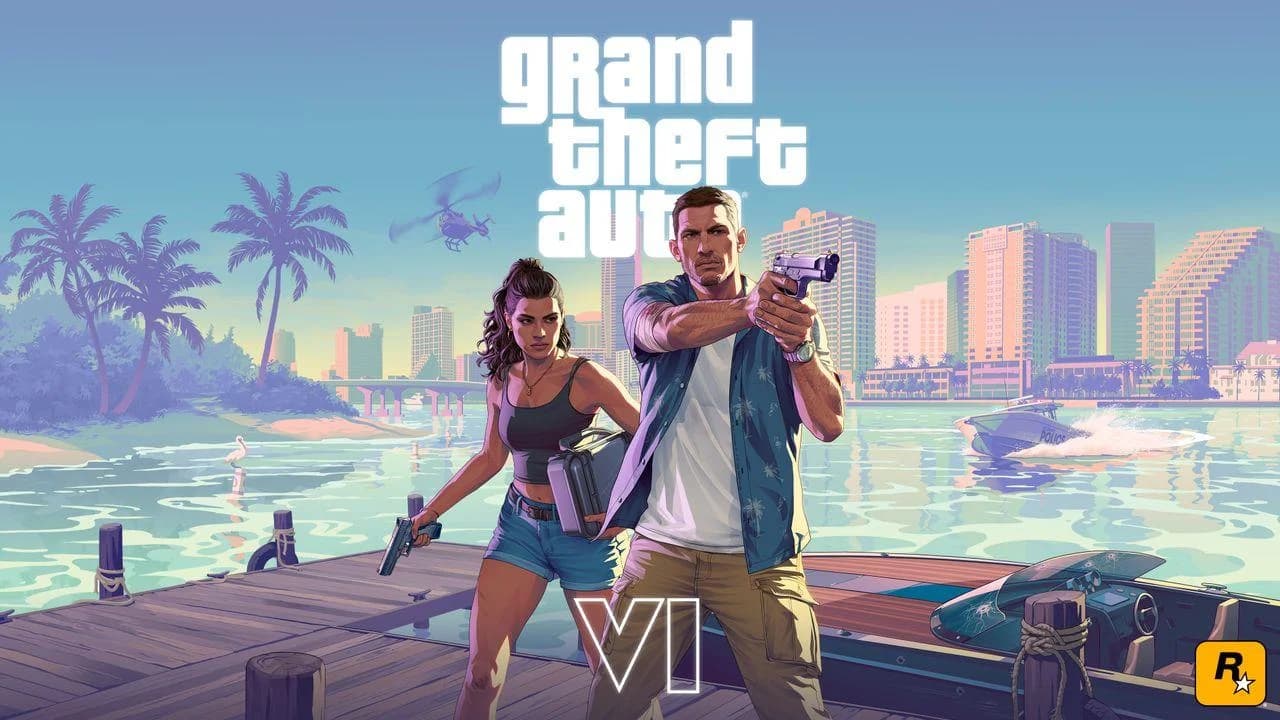
Some commentators also tie the move to GTA 6, whose November 19 launch is already starting to absorb media attention and marketing budgets across the entire industry. Capcom hasn't confirmed that reading officially. The two explanations aren't mutually exclusive: in the short term, Capcom was dodging three specific titles from the same week, and in the longer term, every extra day of sales before November is a day of sales before player attention shifts toward Vice City for months.
IGN has earned the right to its 10/10. The combat system in Way of the Sword really is what fans of this series waited twenty years for: fast, brutal, satisfying in every single exchange. The problem sits elsewhere, in the decision to stretch that same good core across twice as many hours as it needed by recycling the same boss fights. It's a design flaw that 94% of critics forgave anyway, which says more about how strong the combat is than any single score could.
I'm treating this comeback as a market test, not as a sure bet Capcom is staking the brand's entire future on, and moving the launch three weeks earlier shows genuine awareness of the competitive calendar, even if the official explanation for that move stayed deliberately vague.
For players who loved the original series, Way of the Sword delivers on a long wait with one flaw worth swallowing: play it for the combat, not for the pacing of the back half of the campaign. For Capcom, it's proof that old brands still sell on RE Engine, and a sign that more dusted-off titles from the archive are only a matter of time.
Comments
Discussion
Join the conversation around this story.
Join the discussion
Sign in to comment and reply to other readers.
Sign inNo comments yet
Start the discussion first.