%22%20fill%3D%22rgb(0%2C0%2C0)%22%20d%3D%22M%201708.71%2032.0719%20L%201711.17%2032.1726%20L%201711.48%2033.8726%20C%201698.63%2068.7557%201678.15%20111.062%201663.25%20146.038%20L%201610.27%20270.222%20C%201600.68%20293.044%201548.56%20422.248%201540.04%20431.57%20C%201533.67%20438.547%201128.18%20599.98%201082.51%20618.503%20L%20896.13%20695.087%20C%20861.529%20708.971%20827.042%20723.139%20792.674%20737.591%20C%20773.372%20745.745%20749.086%20754.449%20732.134%20766.537%20C%20692.666%20794.684%20697.752%20841.911%20698.601%20884.356%20C%20699.702%20939.367%20740.841%20953.958%20782.454%20976.677%20L%20861.67%201020.18%20L%201099.89%201152.37%20C%201107.22%201156.5%201119.88%201164.35%201127.14%201167.58%20C%201169.86%201186.61%201146.74%201195.41%201117.9%201208.29%20C%201100.37%201216.11%201079.03%201225.42%201060.64%201233.58%20C%201010.18%201256.26%20959.538%201278.54%20908.726%201300.43%20C%20894.529%201306.71%20881.754%201312.22%20867.258%201317.69%20C%20862.804%201316.04%20858.4%201314.27%20854.051%201312.36%20C%20836.181%201304.32%20811.094%201289.47%20793.048%201279.86%20L%20667.457%201213.33%20L%20559.157%201156.4%20C%20524.558%201137.94%20487.124%201123.47%20472.687%201083.79%20C%20469.558%201074.97%20467.621%201065.77%20466.927%201056.43%20C%20465.765%201038.59%20466.66%201011.98%20466.668%20993.332%20L%20466.359%20873.615%20C%20465.984%20815.652%20463.947%20757.728%20465.485%20699.747%20C%20465.795%20688.052%20466.054%20675.662%20467.175%20664.054%20C%20469.31%20640.858%20475.406%20618.2%20485.2%20597.064%20C%20517.254%20527.676%20568.707%20508.151%20633.929%20480.324%20L%20726.507%20441.167%20L%201040.13%20310.018%20L%201452.31%20137.782%20L%201616.93%2069.4204%20C%201646.93%2057.0612%201678.5%2043.152%201708.71%2032.0719%20z%22%2F%3E%0D%0A%3Cpath%20transform%3D%22translate(0%2C0)%22%20fill%3D%22rgb(0%2C0%2C0)%22%20d%3D%22M%201180.36%20731.182%20C%201195.24%20733.945%201233.7%20756.876%201248.98%20765.026%20L%201364.16%20826.126%20L%201484.37%20889.381%20C%201498.57%20896.955%201532.42%20914.303%201544.52%20923.261%20C%201557.39%20932.823%201567.44%20945.681%201573.6%20960.477%20C%201577.74%20970.613%201580.28%20981.333%201581.12%20992.25%20C%201582.2%201006.88%201581.3%201032.21%201581.31%201047.95%20L%201581.63%201160.97%20C%201582.26%201211.62%201582.57%201262.29%201582.57%201312.95%20C%201582.44%201333.48%201582.84%201362.18%201581%201382.38%20C%201579.14%201403.66%201573.97%201424.53%201565.69%201444.23%20C%201551.08%201479.78%201525.53%201509.75%201492.74%201529.79%20C%201460.17%201549.9%201412.55%201568.06%201376.2%201583.68%20C%201297.89%201617.01%201219.4%201649.9%201140.72%201682.34%20L%20334.313%202018.15%20C%20339.936%202006.05%20344.516%201995.06%20349.5%201982.67%20C%20380.898%201908.42%20413.985%201834.57%20445.11%201760.02%20C%20459.052%201725.94%20473.375%201692.02%20488.076%201658.26%20C%20492.996%201647.05%20502.305%201624.37%20508.527%201614.93%20C%20525.371%201606.59%20557.563%201594.41%20575.732%201586.98%20L%20705.864%201534%20C%20845.58%201478.27%20984.961%201421.71%201124%201364.32%20L%201246.78%201313.94%20C%201290.4%201295.55%201343.27%201280.12%201348.5%201224.17%20C%201350.49%201202.85%201351.54%201164.6%201346.69%201143.96%20C%201344.6%201134.87%201340.77%201126.27%201335.41%201118.63%20C%201321.45%201099.1%201289.07%201084.29%201267.79%201072.67%20L%201188.51%201029.14%20L%20997.495%20923.267%20L%20933.233%20887.54%20C%20924.86%20882.894%20890.238%20867.795%20898.045%20858.391%20C%20907.874%20846.549%20953.243%20829.416%20967.235%20823.263%20L%201064.01%20780.291%20C%201087.5%20769.837%201111.05%20759.524%201134.65%20749.351%20C%201147.99%20743.555%201166.91%20734.741%201180.36%20731.182%20z%22%2F%3E%0D%0A%3C%2Fsvg%3E)
%22%20fill%3D%22rgb(255%2C255%2C255)%22%20d%3D%22M%201708.71%2032.0719%20L%201711.17%2032.1726%20L%201711.48%2033.8726%20C%201698.63%2068.7557%201678.15%20111.062%201663.25%20146.038%20L%201610.27%20270.222%20C%201600.68%20293.044%201548.56%20422.248%201540.04%20431.57%20C%201533.67%20438.547%201128.18%20599.98%201082.51%20618.503%20L%20896.13%20695.087%20C%20861.529%20708.971%20827.042%20723.139%20792.674%20737.591%20C%20773.372%20745.745%20749.086%20754.449%20732.134%20766.537%20C%20692.666%20794.684%20697.752%20841.911%20698.601%20884.356%20C%20699.702%20939.367%20740.841%20953.958%20782.454%20976.677%20L%20861.67%201020.18%20L%201099.89%201152.37%20C%201107.22%201156.5%201119.88%201164.35%201127.14%201167.58%20C%201169.86%201186.61%201146.74%201195.41%201117.9%201208.29%20C%201100.37%201216.11%201079.03%201225.42%201060.64%201233.58%20C%201010.18%201256.26%20959.538%201278.54%20908.726%201300.43%20C%20894.529%201306.71%20881.754%201312.22%20867.258%201317.69%20C%20862.804%201316.04%20858.4%201314.27%20854.051%201312.36%20C%20836.181%201304.32%20811.094%201289.47%20793.048%201279.86%20L%20667.457%201213.33%20L%20559.157%201156.4%20C%20524.558%201137.94%20487.124%201123.47%20472.687%201083.79%20C%20469.558%201074.97%20467.621%201065.77%20466.927%201056.43%20C%20465.765%201038.59%20466.66%201011.98%20466.668%20993.332%20L%20466.359%20873.615%20C%20465.984%20815.652%20463.947%20757.728%20465.485%20699.747%20C%20465.795%20688.052%20466.054%20675.662%20467.175%20664.054%20C%20469.31%20640.858%20475.406%20618.2%20485.2%20597.064%20C%20517.254%20527.676%20568.707%20508.151%20633.929%20480.324%20L%20726.507%20441.167%20L%201040.13%20310.018%20L%201452.31%20137.782%20L%201616.93%2069.4204%20C%201646.93%2057.0612%201678.5%2043.152%201708.71%2032.0719%20z%22%2F%3E%0D%0A%3Cpath%20transform%3D%22translate(0%2C0)%22%20fill%3D%22rgb(255%2C255%2C255)%22%20d%3D%22M%201180.36%20731.182%20C%201195.24%20733.945%201233.7%20756.876%201248.98%20765.026%20L%201364.16%20826.126%20L%201484.37%20889.381%20C%201498.57%20896.955%201532.42%20914.303%201544.52%20923.261%20C%201557.39%20932.823%201567.44%20945.681%201573.6%20960.477%20C%201577.74%20970.613%201580.28%20981.333%201581.12%20992.25%20C%201582.2%201006.88%201581.3%201032.21%201581.31%201047.95%20L%201581.63%201160.97%20C%201582.26%201211.62%201582.57%201262.29%201582.57%201312.95%20C%201582.44%201333.48%201582.84%201362.18%201581%201382.38%20C%201579.14%201403.66%201573.97%201424.53%201565.69%201444.23%20C%201551.08%201479.78%201525.53%201509.75%201492.74%201529.79%20C%201460.17%201549.9%201412.55%201568.06%201376.2%201583.68%20C%201297.89%201617.01%201219.4%201649.9%201140.72%201682.34%20L%20334.313%202018.15%20C%20339.936%202006.05%20344.516%201995.06%20349.5%201982.67%20C%20380.898%201908.42%20413.985%201834.57%20445.11%201760.02%20C%20459.052%201725.94%20473.375%201692.02%20488.076%201658.26%20C%20492.996%201647.05%20502.305%201624.37%20508.527%201614.93%20C%20525.371%201606.59%20557.563%201594.41%20575.732%201586.98%20L%20705.864%201534%20C%20845.58%201478.27%20984.961%201421.71%201124%201364.32%20L%201246.78%201313.94%20C%201290.4%201295.55%201343.27%201280.12%201348.5%201224.17%20C%201350.49%201202.85%201351.54%201164.6%201346.69%201143.96%20C%201344.6%201134.87%201340.77%201126.27%201335.41%201118.63%20C%201321.45%201099.1%201289.07%201084.29%201267.79%201072.67%20L%201188.51%201029.14%20L%20997.495%20923.267%20L%20933.233%20887.54%20C%20924.86%20882.894%20890.238%20867.795%20898.045%20858.391%20C%20907.874%20846.549%20953.243%20829.416%20967.235%20823.263%20L%201064.01%20780.291%20C%201087.5%20769.837%201111.05%20759.524%201134.65%20749.351%20C%201147.99%20743.555%201166.91%20734.741%201180.36%20731.182%20z%22%2F%3E%0D%0A%3C%2Fsvg%3E)

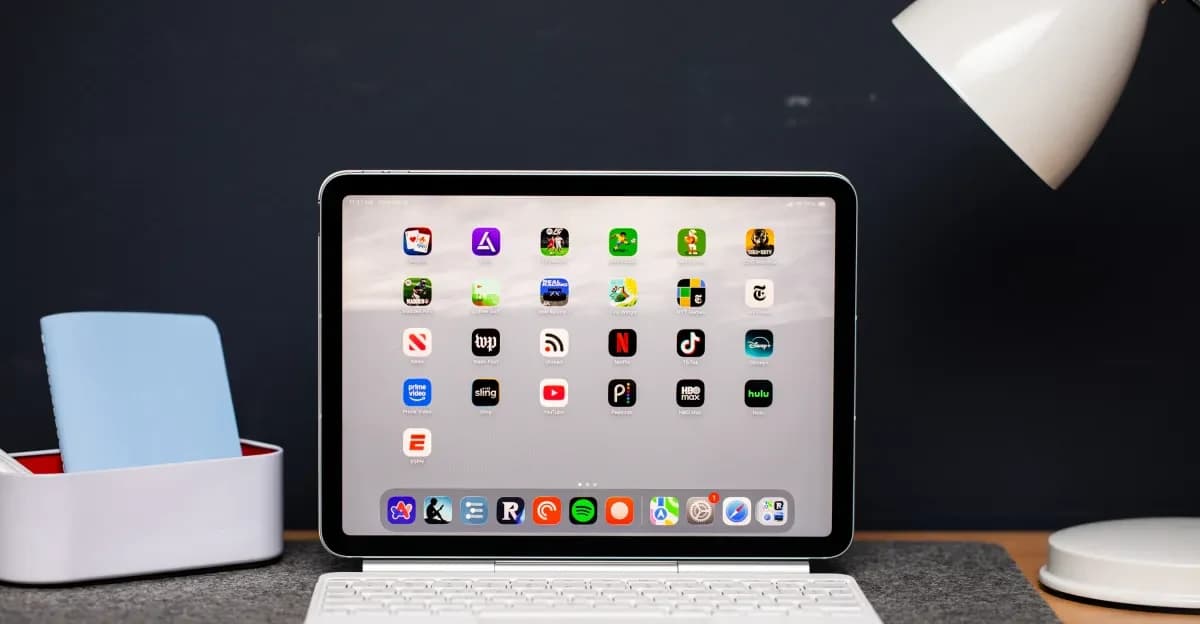
Not long ago, rising memory costs still felt like a side story. It lived in semiconductor reports, RAM market chatter, and AI infrastructure coverage, but not in the kind of way regular buyers could feel the moment they opened a store page. That has changed. Apple has raised prices on part of its Mac and iPad lineup, and Tim Cook’s comments to U.S. media make the reason unusually clear: memory has become too expensive to hide behind scale forever.
That matters for a simple reason. Apple has always had more room than most companies to absorb cost pressure, negotiate harder, or soften the blow with product positioning. When a company like that starts letting the customer see the pressure directly, the message to the rest of the market is not subtle. This is no longer a background problem. Memory pricing is now strong enough to shape retail strategy at the top end of consumer hardware.
What actually got more expensive
The Verge laid out the increases in a way that makes the pattern impossible to miss. This is not a token $50 nudge designed to disappear in the fine print. Several entry points moved by $100, $200, and in some cases more. That changes the psychology of the purchase immediately. A device that felt expensive but still rational can cross into a different category once the base model itself stops feeling approachable.
Apple usually prefers a smoother story. You get a new chip, a better display, a cleaner product split, or some tidy feature narrative that makes a higher price look like the natural cost of progress. This time the explanation is far less glamorous. Memory and storage have become expensive enough that the pricing ladder had to move. There is only so much brand polish you can apply before the math becomes visible anyway.
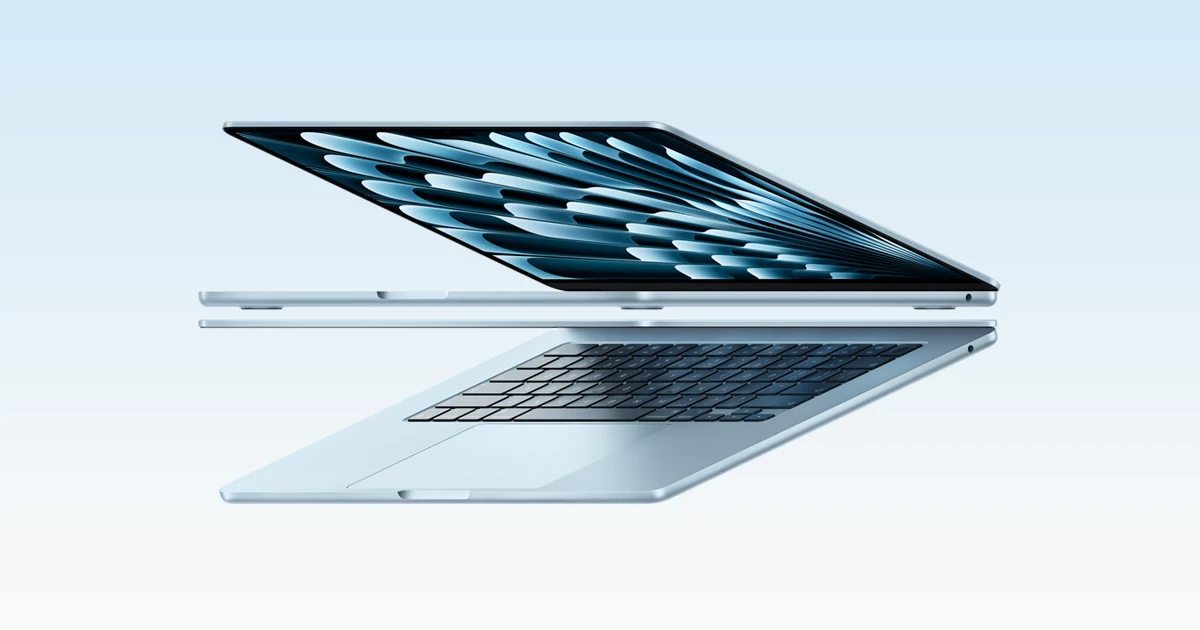
Why memory is suddenly steering the room
The memory market is being stretched from several directions at once. Consumer laptops and tablets still need fast, efficient memory and increasingly generous storage. At the same time, AI infrastructure keeps vacuuming up higher-margin components, especially in areas tied to bandwidth and capacity at scale. That shifts attention, manufacturing priority, and pricing power toward segments that are willing to pay more.
Not every customer is equally attractive anymore. AI and server demand tend to justify stronger margins. Consumer electronics, even high-end consumer electronics, do not automatically win that fight. Apple still has huge leverage compared with most Windows or Android vendors, but leverage is not magic. If suppliers can make better money elsewhere, even Apple starts running into the limits of what can be buried inside a product portfolio.
That is especially true because memory is no longer a minor spec sheet detail in Apple’s lineup. Unified memory in Apple Silicon machines affects the entire character of the device. On iPads, memory capacity is directly tied to multitasking comfort, creative workflows, and AI features that Apple itself keeps pushing harder. Cheapening memory is not a clean compromise. It changes the quality of the product people thought they were buying.
Apple used to be the buffer, not the warning siren
This is what makes the story bigger than just one company adjusting its margins. Apple has spent years acting as a shock absorber. Buyers did not always see supply chain pain right away because the company had enough scale to spread it out, delay it, or bury it inside a broader product transition. Now the opposite is happening. Apple is effectively telling the market that the pressure is real enough to surface in public pricing.
That is why the story travels so well in Western tech media. When a weaker brand raises prices, it is easy to blame bad execution, weak demand, or local disruption. When Apple does it, the move reads more like climate data. It suggests that the market conditions underneath consumer hardware have changed in a more structural way.
What it means for buyers
For a lot of people, the immediate conclusion is painfully practical. If you planned to buy a MacBook Air, MacBook Pro, or iPad in the near term, the cheapest acceptable option just became harder to justify. There is also a second layer to the problem. Once the base device gets more expensive, the jumps to higher memory and storage tiers feel even worse. And Apple has always been especially aggressive there.
This also matters beyond the Apple ecosystem. Once Apple moves, competitors gain a clean excuse. Laptop vendors, tablet makers, and high-end handheld brands no longer need to pretend that only they are suffering from component pressure. Apple’s move normalizes the idea that higher-end mobile hardware may simply cost more for a while.
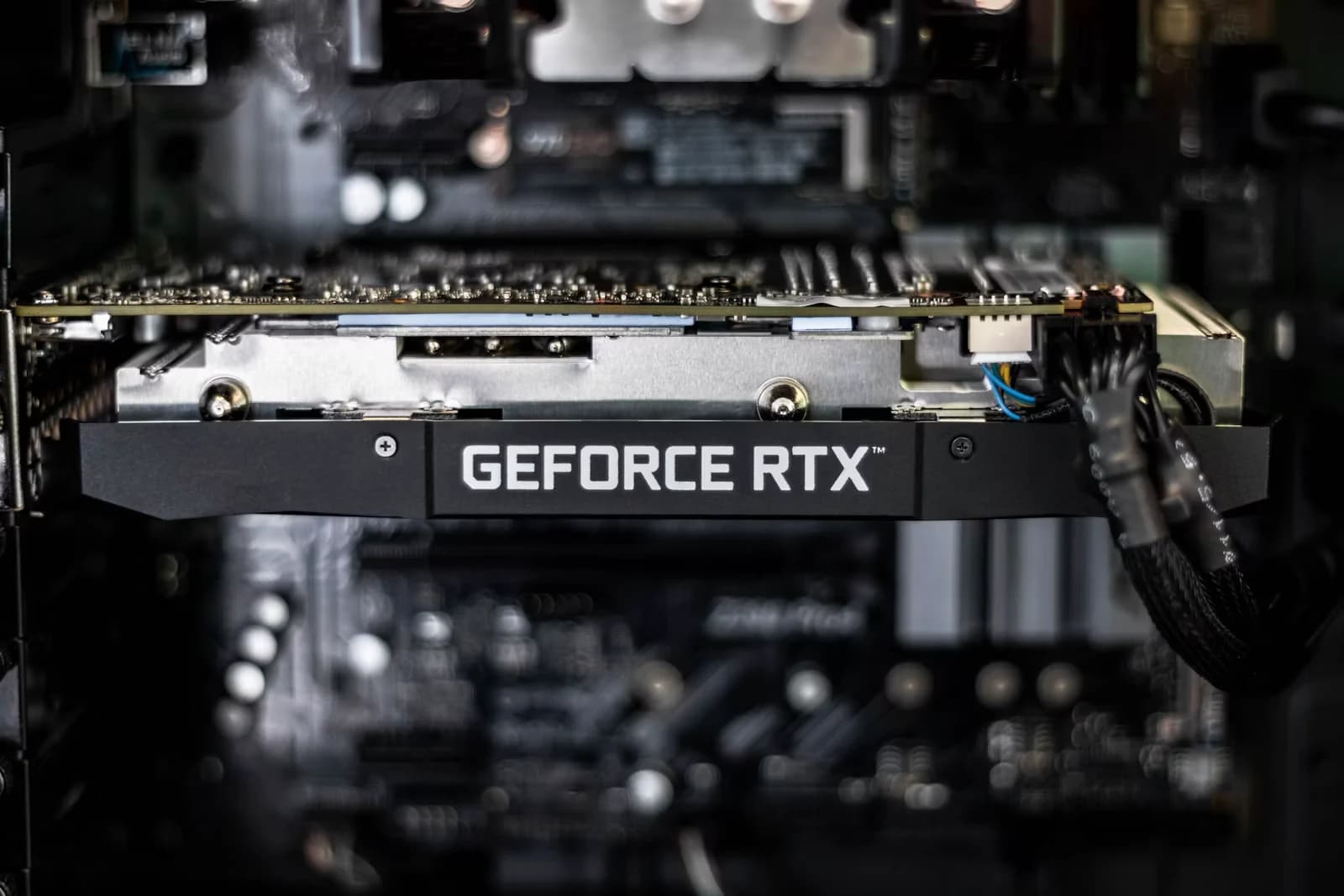
Gamers are not separate from this either. Macs and iPads are not the center of PC gaming, but memory inflation does not stay politely inside one product family. Pricier LPDDR, tighter storage economics, and broader pressure on DRAM and NAND eventually show up in gaming laptops, handhelds, and prebuilts. It is the same cost ecosystem, just wearing different logos.
The base configurations are where this hurts most
Apple has always sold around a carefully managed entry point. The machine is supposed to feel upscale, but still reachable enough that the buyer steps into the ecosystem and only later starts spending more on memory, storage, accessories, and services. Once the base price shifts upward, that whole psychological ladder changes. A device that once felt like the “reasonable Apple choice” can suddenly require a second round of justification.
That is why price movement on products like the MacBook Air or iPad Air matters more than the raw dollar amount alone. These are not only devices. They are the front doors to Apple’s consumer strategy. If those doors get more expensive, some buyers wait, some fall back to older generations, and some start looking harder at the used market. Apple can live with that longer than most brands, but the signal to the rest of the industry is still clear.
This story is bigger than Apple
It also deserves a wider frame. For years, high-end hardware trained buyers to believe that the biggest companies would always find a way to cushion component-market chaos. More and more, the opposite is happening. Major brands are no longer hiding the cost problem. They are preparing buyers to accept that the new normal may simply be more expensive hardware with less apologetic messaging around it.
That is why Apple’s move matters more than another supply-chain chart. Ordinary customers do not track DRAM indices or NAND contract pricing. They do notice when a familiar laptop or tablet suddenly costs more than it did a season ago. That is the point where a market story stops belonging to analysts and starts belonging to everyone.
What I would do as a buyer in mid-2026
If I were shopping for Apple hardware right now and did not absolutely need to buy today, I would look very coldly at the real memory and storage requirement, then at older official configurations that may linger briefly in the channel before the new pricing fully settles, and finally at whether the purchase is solving an immediate problem or just feeding the instinct to buy before things get even worse.
This is not a dramatic “never buy now” conclusion. It is more practical than that. Apple no longer looks like a safe bubble outside broader component-market pressure. If the company is now passing memory cost through to the customer, then buyers need to treat the decision with more discipline than they did a few months ago.
That is also why this story may outlast the usual news cycle. It is not only about one price adjustment. It changes the way buyers look at Apple in the first place. A brand that used to feel expensive but stable now looks more exposed to supply pressure than many people assumed.
And once that perception changes, it rarely snaps back overnight. Buyers start comparing more aggressively, delaying upgrades more often, and questioning whether the higher price still includes the old sense of predictability. That shift in buyer behavior may end up mattering almost as much as the immediate price increase itself.
That is the part many brands fear most. Hardware companies can survive an expensive year. It is much harder to recover the feeling that your pricing is orderly and safe once customers begin to assume the next correction may be waiting just around the corner.
Could Apple have handled it better
Only at the messaging layer, in my view. The raw economics do not suggest a huge number of elegant options. Apple could have softened the move by improving some base configurations, adjusting upgrade ladders more aggressively, or tying the higher prices to visible spec changes. The problem is that Apple’s pricing stack is very deliberately arranged. Move one rung and you disturb the spacing of the whole ladder.
That is also why it is hard to imagine these prices snapping back quickly even if the memory market cools a bit. Once companies manage to train customers to accept a higher floor, they rarely rush to give it back. Prices usually come down only when sales pain becomes impossible to ignore, and Apple can tolerate that pain longer than most brands.
The most uncomfortable conclusion is the clearest one
For years, memory pricing still felt like an enthusiast concern, something for builders and industry watchers. Now it is reaching the mainstream in a very obvious form. You do not need to follow Micron, Samsung, or supply chain reports to notice the shift. You just look at a familiar device and see that it suddenly costs more than it did a few months ago.
If Apple is raising Mac and iPad prices because memory got more expensive, this is not a quirky one-off. It is a visible sign that cost pressure has reached the point where even the strongest consumer hardware brand in the world no longer wants to absorb it quietly. The rest of the industry is unlikely to remain more generous for long.

Comments
Discussion
Join the conversation around this story.
Join the discussion
Sign in to comment and reply to other readers.
Sign inNo comments yet
Start the discussion first.