%22%20fill%3D%22rgb(0%2C0%2C0)%22%20d%3D%22M%201708.71%2032.0719%20L%201711.17%2032.1726%20L%201711.48%2033.8726%20C%201698.63%2068.7557%201678.15%20111.062%201663.25%20146.038%20L%201610.27%20270.222%20C%201600.68%20293.044%201548.56%20422.248%201540.04%20431.57%20C%201533.67%20438.547%201128.18%20599.98%201082.51%20618.503%20L%20896.13%20695.087%20C%20861.529%20708.971%20827.042%20723.139%20792.674%20737.591%20C%20773.372%20745.745%20749.086%20754.449%20732.134%20766.537%20C%20692.666%20794.684%20697.752%20841.911%20698.601%20884.356%20C%20699.702%20939.367%20740.841%20953.958%20782.454%20976.677%20L%20861.67%201020.18%20L%201099.89%201152.37%20C%201107.22%201156.5%201119.88%201164.35%201127.14%201167.58%20C%201169.86%201186.61%201146.74%201195.41%201117.9%201208.29%20C%201100.37%201216.11%201079.03%201225.42%201060.64%201233.58%20C%201010.18%201256.26%20959.538%201278.54%20908.726%201300.43%20C%20894.529%201306.71%20881.754%201312.22%20867.258%201317.69%20C%20862.804%201316.04%20858.4%201314.27%20854.051%201312.36%20C%20836.181%201304.32%20811.094%201289.47%20793.048%201279.86%20L%20667.457%201213.33%20L%20559.157%201156.4%20C%20524.558%201137.94%20487.124%201123.47%20472.687%201083.79%20C%20469.558%201074.97%20467.621%201065.77%20466.927%201056.43%20C%20465.765%201038.59%20466.66%201011.98%20466.668%20993.332%20L%20466.359%20873.615%20C%20465.984%20815.652%20463.947%20757.728%20465.485%20699.747%20C%20465.795%20688.052%20466.054%20675.662%20467.175%20664.054%20C%20469.31%20640.858%20475.406%20618.2%20485.2%20597.064%20C%20517.254%20527.676%20568.707%20508.151%20633.929%20480.324%20L%20726.507%20441.167%20L%201040.13%20310.018%20L%201452.31%20137.782%20L%201616.93%2069.4204%20C%201646.93%2057.0612%201678.5%2043.152%201708.71%2032.0719%20z%22%2F%3E%0D%0A%3Cpath%20transform%3D%22translate(0%2C0)%22%20fill%3D%22rgb(0%2C0%2C0)%22%20d%3D%22M%201180.36%20731.182%20C%201195.24%20733.945%201233.7%20756.876%201248.98%20765.026%20L%201364.16%20826.126%20L%201484.37%20889.381%20C%201498.57%20896.955%201532.42%20914.303%201544.52%20923.261%20C%201557.39%20932.823%201567.44%20945.681%201573.6%20960.477%20C%201577.74%20970.613%201580.28%20981.333%201581.12%20992.25%20C%201582.2%201006.88%201581.3%201032.21%201581.31%201047.95%20L%201581.63%201160.97%20C%201582.26%201211.62%201582.57%201262.29%201582.57%201312.95%20C%201582.44%201333.48%201582.84%201362.18%201581%201382.38%20C%201579.14%201403.66%201573.97%201424.53%201565.69%201444.23%20C%201551.08%201479.78%201525.53%201509.75%201492.74%201529.79%20C%201460.17%201549.9%201412.55%201568.06%201376.2%201583.68%20C%201297.89%201617.01%201219.4%201649.9%201140.72%201682.34%20L%20334.313%202018.15%20C%20339.936%202006.05%20344.516%201995.06%20349.5%201982.67%20C%20380.898%201908.42%20413.985%201834.57%20445.11%201760.02%20C%20459.052%201725.94%20473.375%201692.02%20488.076%201658.26%20C%20492.996%201647.05%20502.305%201624.37%20508.527%201614.93%20C%20525.371%201606.59%20557.563%201594.41%20575.732%201586.98%20L%20705.864%201534%20C%20845.58%201478.27%20984.961%201421.71%201124%201364.32%20L%201246.78%201313.94%20C%201290.4%201295.55%201343.27%201280.12%201348.5%201224.17%20C%201350.49%201202.85%201351.54%201164.6%201346.69%201143.96%20C%201344.6%201134.87%201340.77%201126.27%201335.41%201118.63%20C%201321.45%201099.1%201289.07%201084.29%201267.79%201072.67%20L%201188.51%201029.14%20L%20997.495%20923.267%20L%20933.233%20887.54%20C%20924.86%20882.894%20890.238%20867.795%20898.045%20858.391%20C%20907.874%20846.549%20953.243%20829.416%20967.235%20823.263%20L%201064.01%20780.291%20C%201087.5%20769.837%201111.05%20759.524%201134.65%20749.351%20C%201147.99%20743.555%201166.91%20734.741%201180.36%20731.182%20z%22%2F%3E%0D%0A%3C%2Fsvg%3E)
%22%20fill%3D%22rgb(255%2C255%2C255)%22%20d%3D%22M%201708.71%2032.0719%20L%201711.17%2032.1726%20L%201711.48%2033.8726%20C%201698.63%2068.7557%201678.15%20111.062%201663.25%20146.038%20L%201610.27%20270.222%20C%201600.68%20293.044%201548.56%20422.248%201540.04%20431.57%20C%201533.67%20438.547%201128.18%20599.98%201082.51%20618.503%20L%20896.13%20695.087%20C%20861.529%20708.971%20827.042%20723.139%20792.674%20737.591%20C%20773.372%20745.745%20749.086%20754.449%20732.134%20766.537%20C%20692.666%20794.684%20697.752%20841.911%20698.601%20884.356%20C%20699.702%20939.367%20740.841%20953.958%20782.454%20976.677%20L%20861.67%201020.18%20L%201099.89%201152.37%20C%201107.22%201156.5%201119.88%201164.35%201127.14%201167.58%20C%201169.86%201186.61%201146.74%201195.41%201117.9%201208.29%20C%201100.37%201216.11%201079.03%201225.42%201060.64%201233.58%20C%201010.18%201256.26%20959.538%201278.54%20908.726%201300.43%20C%20894.529%201306.71%20881.754%201312.22%20867.258%201317.69%20C%20862.804%201316.04%20858.4%201314.27%20854.051%201312.36%20C%20836.181%201304.32%20811.094%201289.47%20793.048%201279.86%20L%20667.457%201213.33%20L%20559.157%201156.4%20C%20524.558%201137.94%20487.124%201123.47%20472.687%201083.79%20C%20469.558%201074.97%20467.621%201065.77%20466.927%201056.43%20C%20465.765%201038.59%20466.66%201011.98%20466.668%20993.332%20L%20466.359%20873.615%20C%20465.984%20815.652%20463.947%20757.728%20465.485%20699.747%20C%20465.795%20688.052%20466.054%20675.662%20467.175%20664.054%20C%20469.31%20640.858%20475.406%20618.2%20485.2%20597.064%20C%20517.254%20527.676%20568.707%20508.151%20633.929%20480.324%20L%20726.507%20441.167%20L%201040.13%20310.018%20L%201452.31%20137.782%20L%201616.93%2069.4204%20C%201646.93%2057.0612%201678.5%2043.152%201708.71%2032.0719%20z%22%2F%3E%0D%0A%3Cpath%20transform%3D%22translate(0%2C0)%22%20fill%3D%22rgb(255%2C255%2C255)%22%20d%3D%22M%201180.36%20731.182%20C%201195.24%20733.945%201233.7%20756.876%201248.98%20765.026%20L%201364.16%20826.126%20L%201484.37%20889.381%20C%201498.57%20896.955%201532.42%20914.303%201544.52%20923.261%20C%201557.39%20932.823%201567.44%20945.681%201573.6%20960.477%20C%201577.74%20970.613%201580.28%20981.333%201581.12%20992.25%20C%201582.2%201006.88%201581.3%201032.21%201581.31%201047.95%20L%201581.63%201160.97%20C%201582.26%201211.62%201582.57%201262.29%201582.57%201312.95%20C%201582.44%201333.48%201582.84%201362.18%201581%201382.38%20C%201579.14%201403.66%201573.97%201424.53%201565.69%201444.23%20C%201551.08%201479.78%201525.53%201509.75%201492.74%201529.79%20C%201460.17%201549.9%201412.55%201568.06%201376.2%201583.68%20C%201297.89%201617.01%201219.4%201649.9%201140.72%201682.34%20L%20334.313%202018.15%20C%20339.936%202006.05%20344.516%201995.06%20349.5%201982.67%20C%20380.898%201908.42%20413.985%201834.57%20445.11%201760.02%20C%20459.052%201725.94%20473.375%201692.02%20488.076%201658.26%20C%20492.996%201647.05%20502.305%201624.37%20508.527%201614.93%20C%20525.371%201606.59%20557.563%201594.41%20575.732%201586.98%20L%20705.864%201534%20C%20845.58%201478.27%20984.961%201421.71%201124%201364.32%20L%201246.78%201313.94%20C%201290.4%201295.55%201343.27%201280.12%201348.5%201224.17%20C%201350.49%201202.85%201351.54%201164.6%201346.69%201143.96%20C%201344.6%201134.87%201340.77%201126.27%201335.41%201118.63%20C%201321.45%201099.1%201289.07%201084.29%201267.79%201072.67%20L%201188.51%201029.14%20L%20997.495%20923.267%20L%20933.233%20887.54%20C%20924.86%20882.894%20890.238%20867.795%20898.045%20858.391%20C%20907.874%20846.549%20953.243%20829.416%20967.235%20823.263%20L%201064.01%20780.291%20C%201087.5%20769.837%201111.05%20759.524%201134.65%20749.351%20C%201147.99%20743.555%201166.91%20734.741%201180.36%20731.182%20z%22%2F%3E%0D%0A%3C%2Fsvg%3E)

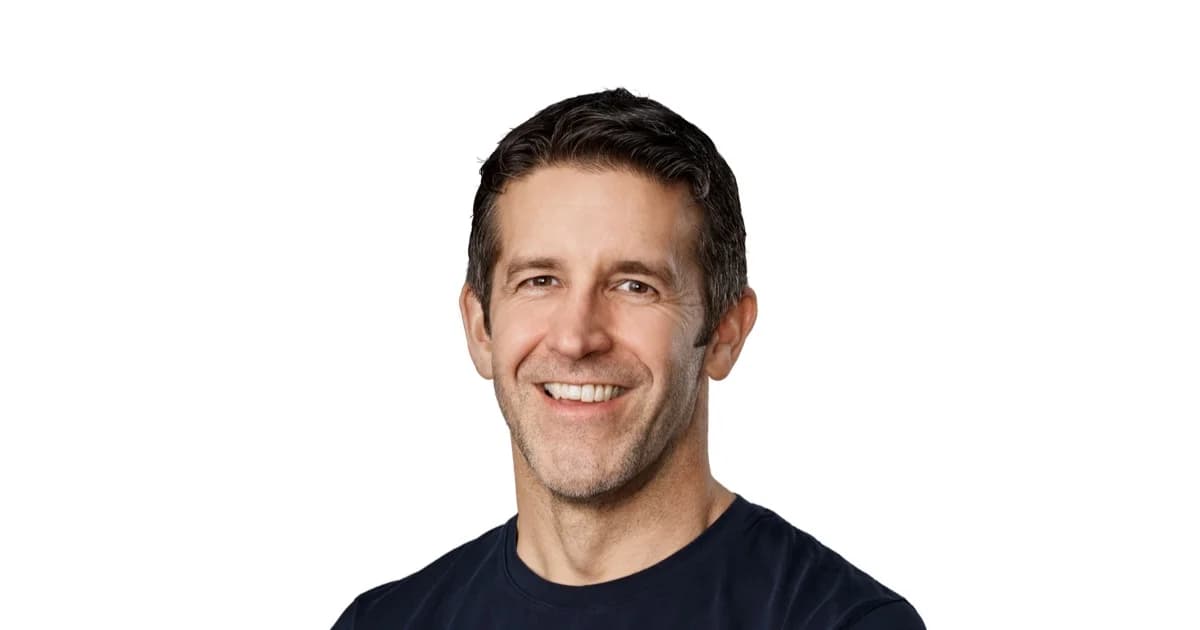
John Ternus started work as Apple's chief executive today, and the market gave him a welcome that rarely accompanies a change at the top: the stock climbed 3% to $325.92 in a session where the NASDAQ 100 was red. Eight days from now he walks on stage at Apple's September event to introduce the iPhone 18 and, if the reporting holds, the company's first foldable. It is about as friendly an opening week as a new CEO could ask for. The trouble is that hardware was never the thing Apple is struggling with.
Fifteen years and four trillion dollars later
Tim Cook announced his exit in April, worked his last day as CEO yesterday, and the board approved his successor unanimously. Cook is not leaving the building: he becomes executive chairman, with a brief that includes dealing with regulators across Apple's markets. Given how many antitrust proceedings the company is currently defending, that is a full-time job on its own.
His record is a brutal inheritance. Cook took over in 2011, when Apple was worth roughly $350 billion. He hands over a company valued at about $4.6 trillion, having delivered total shareholder returns north of 2,100% across fifteen years. He did it without inventing an iPhone of his own, leaning instead on the unglamorous parts: operations, margins, supply chain, and a services business that grew from an accessory to the hardware into a second revenue pillar.
Cook's particular expertise also measures the size of the change Apple just made. For fifteen years the company was run by a logistics and finance man. As of today it is run by an engineer.
The man who built the hardware now has to run the company
Ternus took a mechanical engineering degree at the University of Pennsylvania in 1997 and worked at Virtual Research Systems before Apple. He arrived in Cupertino in 2001, on the product design team, became vice president of hardware engineering in 2013, and joined the executive team in 2021 as senior vice president responsible for all hardware engineering.
That is twenty-five years at one company and, effectively, every product Apple shipped in that window. Ternus owned successive generations of iPhone, Mac and Apple Watch, but the more revealing line on his record is elsewhere: he led the introduction of entirely new categories, namely iPad, AirPods and Vision Pro. The first two became successes nobody argues about. The third is Apple's most expensive and most exposed hardware bet in a decade, and the jury is still out on whether it pays back.
For anyone who looks at Apple through hardware and performance, that is an encouraging profile. Apple Silicon is one of the company's strongest arguments right now, Vision Pro needs someone who understands structural trade-offs, and Mac gaming has spent three years oscillating between genuine progress and slideware. Someone who spent a quarter of a century on how these things are actually built should have better judgement here than any outside hire would.
Except Apple's problem sits somewhere else
Apple is not losing on hardware. It is losing on software, specifically on artificial intelligence, and losing more visibly than a company of this size should tolerate.
The Siri rebuild, sold as the centrepiece of Apple Intelligence, slipped from deadline to deadline. Apple cited the need to get security and reliability right, and during the same stretch John Giannandrea, the executive responsible for AI, left the company. The new Siri did eventually ship, but its most important component is not Apple's work. It is a Gemini model rented from Google, for a reported billion dollars a year, which we covered when the iOS 27 public beta landed.
Set that against the new CEO's background. Ternus spent twenty-five years on materials, thermals, batteries, manufacturing process and the problem of fitting more compute into a smaller enclosure. Nothing in that history suggests experience building language models, training infrastructure or a research organisation. Apple put a specialist in the discipline it has mastered at the head of the company at the moment a different one is on fire.
There is one sensible defence of the choice, and it deserves a fair hearing. If Apple has concluded that AI will ultimately be decided on the device rather than in the cloud, a silicon engineer is exactly who you want. Local models, dedicated neural hardware, inference that never leaves the phone: all of it is what Apple has spent years selling as its privacy advantage. Read that way, promoting Ternus is a bet on where AI actually ends up, rather than a hiring mistake.
What the first year gets judged on
Analysts agree on the scorecard: Ternus's opening stretch will be measured by how fast Apple moves on AI and whether a new hardware category appears. Those two goals pull against each other. A new category needs years and patience. Catching up in AI needs results inside a few quarters.
The first test comes fast, on September 9. An event built around the iPhone 18 and a possible foldable is entirely the previous management's product, but Ternus is the one who will front it. Launches he genuinely shaped are a year away at the earliest, because that is roughly how long Cupertino's product cycle runs.
The foldable is more interesting than its place on a release list suggests. Apple would be entering a category Samsung opened seven years ago and has already carried through a full arc, from unreliable hinges and cracking panels to hardware worth recommending. Arriving last with a version that works is the same play Apple ran on smartwatches and wireless earbuds. If the foldable is real, it is a launch tailored to Ternus's strengths, even though the credit for it belongs to the outgoing team.
The cost environment matters too. This year's memory crunch forced price increases on parts of the Mac and iPad line, which is precisely the situation where Cook's skills, negotiation and supply chain, were most useful. Ternus inherits that pressure without the same background behind him.
The regulatory war comes with the job
Cook's executive chairman title reads like a courtesy role for a departing CEO, but at Apple right now the job has real content. The company keeps losing rounds to regulators on both sides of the Atlantic, and losing them in ways that reach directly into how an iPhone behaves.
On July 8 the General Court of the European Union dismissed Apple's challenges against the European Commission and upheld the company's obligations under the Digital Markets Act. In practice that means app stores outside the App Store, alternative payment systems, open device pairing, and access to notification APIs without Apple's own services getting preferential treatment. Full compliance deadlines fall this year. Apple has said it will appeal to the highest court and argues that forced sideloading opens the door to malware, but that is an argument the court has already rejected once. A separate federal suit over App Store rules is running in the United States.
That is the actual reason Cook is staying on for political contact specifically. Ternus spent twenty-five years solving problems that could be closed out in a lab: a cooler chip, a thinner chassis, a longer-lasting battery. An antitrust proceeding has no engineering solution, and its outcome decides how much Apple earns from the App Store, the part of the business Cook grew the most.
What changes for someone who just uses Apple hardware
In the short term, nothing. The roadmap for the next year or so is locked, prices track the component market rather than any decision by a new CEO, and no iPhone changes because the name on the office door in Cupertino did.
Over the medium term, three things are worth watching. Whether Apple stops renting someone else's model for its own assistant, because the Google deal is convenient but rests the most important system feature on a foundation Apple does not control. What happens to Vision Pro, since it is Ternus's product and his call on whether Apple still believes in the category will say more about direction than any statement from a stage. And whether the Mac finally gets a coherent gaming strategy, or stays where it has been for years, with excellent hardware and a catalogue that cannot keep up with it.
Ternus is a logical, conservative pick, and that is exactly why I have mixed feelings about it. Apple promoted an insider who spent a quarter of a century delivering precisely what was asked of him, and there is not a single red flag in that record. The board voted unanimously, the market answered with a 3% gain on a red day, and the handover was prepared over months. Everything was done by the book.
A by-the-book succession solves continuity. Apple's real problem sits elsewhere. The company is behind in the single field that will determine where every large technology player stands a decade from now, and its answer was to promote the head of hardware engineering. That is a bet that AI ultimately moves onto the device, where Apple holds the strongest cards. A defensible bet, but still a bet rather than a recovery plan.
My read after day one: Ternus almost certainly will not break Apple and almost certainly will ship excellent hardware, because he has been doing that since 2001. The open question is different. Can someone formed by a culture of refining existing products lead the company through a shift that demands the opposite instinct, which is admitting that in AI Apple is the one catching up and has to move faster than it likes to.
We will not find out on September 9. We find out when Apple either stops paying Google for its own assistant, or decides that paying is cheaper than catching up. That second decision would also be Ternus's, and a far worse one.
Comments
Discussion
Join the conversation around this story.
Join the discussion
Sign in to comment and reply to other readers.
Sign inNo comments yet
Start the discussion first.