%22%20fill%3D%22rgb(0%2C0%2C0)%22%20d%3D%22M%201708.71%2032.0719%20L%201711.17%2032.1726%20L%201711.48%2033.8726%20C%201698.63%2068.7557%201678.15%20111.062%201663.25%20146.038%20L%201610.27%20270.222%20C%201600.68%20293.044%201548.56%20422.248%201540.04%20431.57%20C%201533.67%20438.547%201128.18%20599.98%201082.51%20618.503%20L%20896.13%20695.087%20C%20861.529%20708.971%20827.042%20723.139%20792.674%20737.591%20C%20773.372%20745.745%20749.086%20754.449%20732.134%20766.537%20C%20692.666%20794.684%20697.752%20841.911%20698.601%20884.356%20C%20699.702%20939.367%20740.841%20953.958%20782.454%20976.677%20L%20861.67%201020.18%20L%201099.89%201152.37%20C%201107.22%201156.5%201119.88%201164.35%201127.14%201167.58%20C%201169.86%201186.61%201146.74%201195.41%201117.9%201208.29%20C%201100.37%201216.11%201079.03%201225.42%201060.64%201233.58%20C%201010.18%201256.26%20959.538%201278.54%20908.726%201300.43%20C%20894.529%201306.71%20881.754%201312.22%20867.258%201317.69%20C%20862.804%201316.04%20858.4%201314.27%20854.051%201312.36%20C%20836.181%201304.32%20811.094%201289.47%20793.048%201279.86%20L%20667.457%201213.33%20L%20559.157%201156.4%20C%20524.558%201137.94%20487.124%201123.47%20472.687%201083.79%20C%20469.558%201074.97%20467.621%201065.77%20466.927%201056.43%20C%20465.765%201038.59%20466.66%201011.98%20466.668%20993.332%20L%20466.359%20873.615%20C%20465.984%20815.652%20463.947%20757.728%20465.485%20699.747%20C%20465.795%20688.052%20466.054%20675.662%20467.175%20664.054%20C%20469.31%20640.858%20475.406%20618.2%20485.2%20597.064%20C%20517.254%20527.676%20568.707%20508.151%20633.929%20480.324%20L%20726.507%20441.167%20L%201040.13%20310.018%20L%201452.31%20137.782%20L%201616.93%2069.4204%20C%201646.93%2057.0612%201678.5%2043.152%201708.71%2032.0719%20z%22%2F%3E%0D%0A%3Cpath%20transform%3D%22translate(0%2C0)%22%20fill%3D%22rgb(0%2C0%2C0)%22%20d%3D%22M%201180.36%20731.182%20C%201195.24%20733.945%201233.7%20756.876%201248.98%20765.026%20L%201364.16%20826.126%20L%201484.37%20889.381%20C%201498.57%20896.955%201532.42%20914.303%201544.52%20923.261%20C%201557.39%20932.823%201567.44%20945.681%201573.6%20960.477%20C%201577.74%20970.613%201580.28%20981.333%201581.12%20992.25%20C%201582.2%201006.88%201581.3%201032.21%201581.31%201047.95%20L%201581.63%201160.97%20C%201582.26%201211.62%201582.57%201262.29%201582.57%201312.95%20C%201582.44%201333.48%201582.84%201362.18%201581%201382.38%20C%201579.14%201403.66%201573.97%201424.53%201565.69%201444.23%20C%201551.08%201479.78%201525.53%201509.75%201492.74%201529.79%20C%201460.17%201549.9%201412.55%201568.06%201376.2%201583.68%20C%201297.89%201617.01%201219.4%201649.9%201140.72%201682.34%20L%20334.313%202018.15%20C%20339.936%202006.05%20344.516%201995.06%20349.5%201982.67%20C%20380.898%201908.42%20413.985%201834.57%20445.11%201760.02%20C%20459.052%201725.94%20473.375%201692.02%20488.076%201658.26%20C%20492.996%201647.05%20502.305%201624.37%20508.527%201614.93%20C%20525.371%201606.59%20557.563%201594.41%20575.732%201586.98%20L%20705.864%201534%20C%20845.58%201478.27%20984.961%201421.71%201124%201364.32%20L%201246.78%201313.94%20C%201290.4%201295.55%201343.27%201280.12%201348.5%201224.17%20C%201350.49%201202.85%201351.54%201164.6%201346.69%201143.96%20C%201344.6%201134.87%201340.77%201126.27%201335.41%201118.63%20C%201321.45%201099.1%201289.07%201084.29%201267.79%201072.67%20L%201188.51%201029.14%20L%20997.495%20923.267%20L%20933.233%20887.54%20C%20924.86%20882.894%20890.238%20867.795%20898.045%20858.391%20C%20907.874%20846.549%20953.243%20829.416%20967.235%20823.263%20L%201064.01%20780.291%20C%201087.5%20769.837%201111.05%20759.524%201134.65%20749.351%20C%201147.99%20743.555%201166.91%20734.741%201180.36%20731.182%20z%22%2F%3E%0D%0A%3C%2Fsvg%3E)
%22%20fill%3D%22rgb(255%2C255%2C255)%22%20d%3D%22M%201708.71%2032.0719%20L%201711.17%2032.1726%20L%201711.48%2033.8726%20C%201698.63%2068.7557%201678.15%20111.062%201663.25%20146.038%20L%201610.27%20270.222%20C%201600.68%20293.044%201548.56%20422.248%201540.04%20431.57%20C%201533.67%20438.547%201128.18%20599.98%201082.51%20618.503%20L%20896.13%20695.087%20C%20861.529%20708.971%20827.042%20723.139%20792.674%20737.591%20C%20773.372%20745.745%20749.086%20754.449%20732.134%20766.537%20C%20692.666%20794.684%20697.752%20841.911%20698.601%20884.356%20C%20699.702%20939.367%20740.841%20953.958%20782.454%20976.677%20L%20861.67%201020.18%20L%201099.89%201152.37%20C%201107.22%201156.5%201119.88%201164.35%201127.14%201167.58%20C%201169.86%201186.61%201146.74%201195.41%201117.9%201208.29%20C%201100.37%201216.11%201079.03%201225.42%201060.64%201233.58%20C%201010.18%201256.26%20959.538%201278.54%20908.726%201300.43%20C%20894.529%201306.71%20881.754%201312.22%20867.258%201317.69%20C%20862.804%201316.04%20858.4%201314.27%20854.051%201312.36%20C%20836.181%201304.32%20811.094%201289.47%20793.048%201279.86%20L%20667.457%201213.33%20L%20559.157%201156.4%20C%20524.558%201137.94%20487.124%201123.47%20472.687%201083.79%20C%20469.558%201074.97%20467.621%201065.77%20466.927%201056.43%20C%20465.765%201038.59%20466.66%201011.98%20466.668%20993.332%20L%20466.359%20873.615%20C%20465.984%20815.652%20463.947%20757.728%20465.485%20699.747%20C%20465.795%20688.052%20466.054%20675.662%20467.175%20664.054%20C%20469.31%20640.858%20475.406%20618.2%20485.2%20597.064%20C%20517.254%20527.676%20568.707%20508.151%20633.929%20480.324%20L%20726.507%20441.167%20L%201040.13%20310.018%20L%201452.31%20137.782%20L%201616.93%2069.4204%20C%201646.93%2057.0612%201678.5%2043.152%201708.71%2032.0719%20z%22%2F%3E%0D%0A%3Cpath%20transform%3D%22translate(0%2C0)%22%20fill%3D%22rgb(255%2C255%2C255)%22%20d%3D%22M%201180.36%20731.182%20C%201195.24%20733.945%201233.7%20756.876%201248.98%20765.026%20L%201364.16%20826.126%20L%201484.37%20889.381%20C%201498.57%20896.955%201532.42%20914.303%201544.52%20923.261%20C%201557.39%20932.823%201567.44%20945.681%201573.6%20960.477%20C%201577.74%20970.613%201580.28%20981.333%201581.12%20992.25%20C%201582.2%201006.88%201581.3%201032.21%201581.31%201047.95%20L%201581.63%201160.97%20C%201582.26%201211.62%201582.57%201262.29%201582.57%201312.95%20C%201582.44%201333.48%201582.84%201362.18%201581%201382.38%20C%201579.14%201403.66%201573.97%201424.53%201565.69%201444.23%20C%201551.08%201479.78%201525.53%201509.75%201492.74%201529.79%20C%201460.17%201549.9%201412.55%201568.06%201376.2%201583.68%20C%201297.89%201617.01%201219.4%201649.9%201140.72%201682.34%20L%20334.313%202018.15%20C%20339.936%202006.05%20344.516%201995.06%20349.5%201982.67%20C%20380.898%201908.42%20413.985%201834.57%20445.11%201760.02%20C%20459.052%201725.94%20473.375%201692.02%20488.076%201658.26%20C%20492.996%201647.05%20502.305%201624.37%20508.527%201614.93%20C%20525.371%201606.59%20557.563%201594.41%20575.732%201586.98%20L%20705.864%201534%20C%20845.58%201478.27%20984.961%201421.71%201124%201364.32%20L%201246.78%201313.94%20C%201290.4%201295.55%201343.27%201280.12%201348.5%201224.17%20C%201350.49%201202.85%201351.54%201164.6%201346.69%201143.96%20C%201344.6%201134.87%201340.77%201126.27%201335.41%201118.63%20C%201321.45%201099.1%201289.07%201084.29%201267.79%201072.67%20L%201188.51%201029.14%20L%20997.495%20923.267%20L%20933.233%20887.54%20C%20924.86%20882.894%20890.238%20867.795%20898.045%20858.391%20C%20907.874%20846.549%20953.243%20829.416%20967.235%20823.263%20L%201064.01%20780.291%20C%201087.5%20769.837%201111.05%20759.524%201134.65%20749.351%20C%201147.99%20743.555%201166.91%20734.741%201180.36%20731.182%20z%22%2F%3E%0D%0A%3C%2Fsvg%3E)

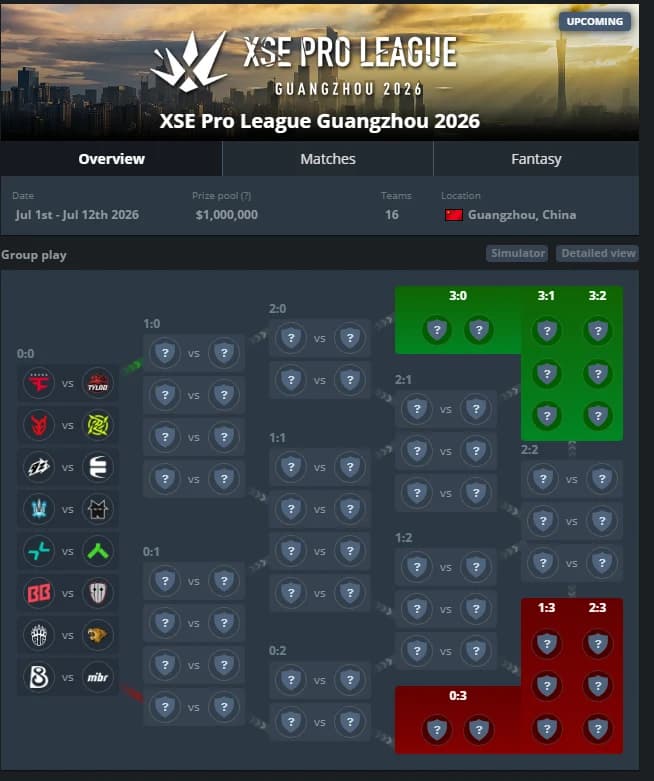
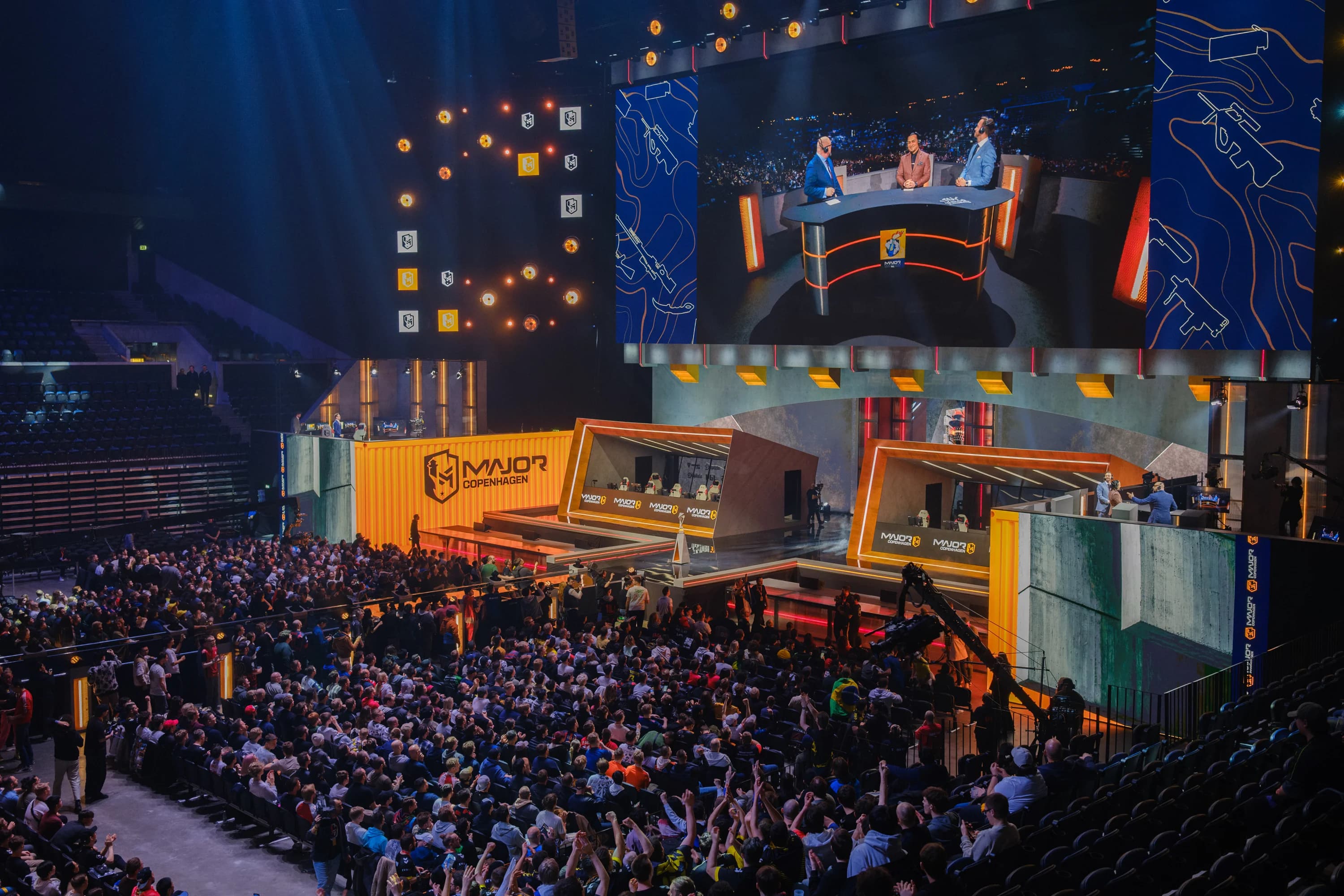
XSE Pro League Guangzhou 2026 begins on July 1, and on the surface it already looks like a serious attempt to enter the global Counter-Strike 2 conversation. Guangzhou, 16 teams, a $1 million prize pool, and nearly two weeks of competition is not a small opening statement. But Counter-Strike has always been unforgiving toward events that try to buy stature too quickly. The real question is not whether XSE looks expensive. The real question is whether it can create significance that survives beyond the first wave of curiosity.
That is what makes this tournament more interesting than the banner itself. Not the million dollars on its own, not just the city, and not even the fact that it has been placed in a very deliberate summer window. The interesting part is that China is once again trying to move closer to the center of the CS2 calendar. Europe has spent years functioning as the default home of prestige, North America has struggled to keep its old weight, and Asian tournaments too often ended up as events with local attention but limited global authority. XSE is clearly trying to challenge that pattern.
A seven-figure prize pool buys attention on day one. Respect in Counter-Strike is much harder to buy. That usually comes from the quality of the field, the competitive stakes, the flow of the matches, and the sense that the tournament genuinely matters once it is over.
There is also no need to pretend the scene has never seen similar attempts. Counter-Strike has already lived through events with serious money, polished branding, and only limited impact on how teams, viewers, and media actually organized the hierarchy of a season. People will watch because matches exist. Teams will play because the money is real. But an event only becomes important when its results start shaping the wider year. That is the real test waiting for XSE.
Why this is more than a regional curiosity
The simplest mistake would be to reduce XSE Pro League to “another local event with a lot of money behind it.” That is too shallow. From the perspective of CS2, the attempt itself matters. The calendar is crowded, elite teams are increasingly selective about where they spend time, and organizers have to offer more than travel plus prize money to justify another stop. If someone still chooses to fund an event at this level and stretch it across nearly two weeks, the intention is clearly larger than a one-off splash. The organizer wants to enter the circuit, not merely visit it.
That gives the tournament relevance beyond its own opening edition. The Chinese market is far too large to remain useful only as a sponsor destination or production backdrop. If local organizers start attracting top teams and real international attention to events with genuine stakes, Europe will not lose importance overnight, but it will lose some of its monopoly over what automatically feels central to the season. Those shifts never happen in one weekend, but they often start with weekends exactly like this one.
It also places pressure on the rest of the scene. Every well-funded new tournament asks an uncomfortable question of established operators: are your events respected because they have built something real, or because for years there was no serious challenger outside the usual geographic centers? XSE may not force that answer immediately. Its existence already makes the question harder to ignore.
A million dollars sounds impressive, but competitive weight matters more than presentation
Money works differently in Counter-Strike than it does in many other games. It absolutely draws attention. It absolutely attracts teams, coverage, and sponsors. But on its own it does not create emotional weight. Viewers sense very quickly whether an event is merely expensive or actually important. That difference comes from several things at once: the strength of the lineup, the structure of the bracket, the quality of the broadcast, and most of all the sense that the tournament results change something in the season around them.
If XSE wants to be remembered beyond the summer, it will need more than premium lighting and strong prize checks. It needs competitive tension. And that is much harder to build than a graphic that says “$1,000,000.” The tournament has to give viewers a reason not to treat it as a stylish pause between more established events. If the matches feel average, the field feels uneven, or the tournament narrative never really locks in, the scene will drift back toward its old habits very quickly.
Teams are also more self-aware now about what truly helps them. Even with strong prize money, organizers still need to convince players that the trip is worth the time, energy, and logistics. That is not accomplished by one number. It comes from the credibility of the format, operational reliability, and the sense that the event is being built for more than a temporary headline.
XSE’s biggest opening is that the scene is tired of the same old map
There is, however, a very real reason why this project makes sense and does not feel like pure wishful spending. The CS2 scene is more open to alternatives now than it was a few years ago. The calendar is dense, some of the classic events have lost freshness, and audiences no longer grant automatic prestige to every European tournament by default. That creates room for events that either do something differently or at least arrive with enough scale to force a second look.
If XSE handles this intelligently, it can benefit from that fatigue. A new region, a different crowd, a different atmosphere, and a serious budget create a chance for something that at least feels fresh at first contact. Freshness is a more valuable currency in esports than organizers often admit. The problem is that freshness burns fast. Once it fades, only quality remains. That is where tournaments either harden into fixtures or evaporate into memory as well-produced experiments.
That is why July 1 is not just the start of another event. It is a test of whether Chinese organizers can stop being peripheral to the highest-level CS2 conversation and begin acting as co-authors of it. That is a far more interesting story than the payout table by itself.
The biggest risk is not failure. It is emptiness
Every new event walks into the same trap. The moment it presents itself as large, the scene stops judging it like a beginner. It judges it like something that has announced its own importance. That is dangerous. If anything then fails to land — pacing, team quality, broadcast energy, audience atmosphere, or overall narrative — the response becomes harsher than it would be for a smaller event that openly knows it is still building.
XSE is therefore in an awkward but fascinating position. It cannot afford to look modest, because its entire pitch is scale. Yet it does not have the trust capital that lets older events survive imperfect editions. That is the real line between tournaments with status and tournaments with budget. The former can absorb mistakes. The latter need to arrive feeling far more complete from the start.
In practice, the greatest risk is not even a logistical stumble. It is blandness. A tournament that fails to create strong memories will not be remembered simply because it spent a lot of money. In Counter-Strike, events can lose not through disaster, but through a lack of character. For XSE, that is more dangerous than a single visible production mistake.
What actually matters from day one
First, whether the event produces its own competitive identity quickly. Will viewers remember actual series, actual maps, and actual clashes, or just the fact that a large Chinese tournament happened to be running? Second, how teams behave. Not through press statements, but through visible energy and seriousness. Players usually reveal very quickly whether they feel the weight of an event or whether they are simply completing another stop on the schedule.
Third, the community response matters more than the raw audience number. The question is not only how many people tune in, but what kind of conversation the event generates. Does it create its own narrative, or does it borrow relevance from familiar logos and famous names? Important events rapidly begin to live on their own terms. Less important ones keep borrowing oxygen from whatever surrounds them.
Finally, the tournament should be judged by what remains after the final. If the only durable takeaway is “there was a lot of money,” then XSE did not climb very high. If what remains is a set of memorable matches, strong stories, and the feeling that next year’s calendar should make room for this event, then it has already achieved something far more difficult than expensive branding.
What XSE succeeding would mean for the wider CS2 map
If this event works, the meaning of that success will extend far beyond one trophy. A successful XSE would tell organizers, sponsors, and media partners that the market outside Europe can be treated as more than a commercial expansion zone. It can be treated as a place where major Counter-Strike can actually happen. That kind of shift tends to create more shifts quickly. It becomes easier to negotiate future attendance, easier to attract larger budgets, and easier to convince teams that the travel burden is worth accepting because the event no longer feels temporary.
That would also matter for viewers. A more geographically diverse calendar can refresh a scene that too often falls back on the same locations, the same rhythms, and the same emotional script. Counter-Strike does not need disruption for its own sake. It does need fresh energy in places where older energy is beginning to flatten. XSE may become one of the tests of whether the scene is finally ready to breathe more broadly without feeling like it is abandoning its center.
And if XSE fails?
Then the damage will extend beyond one disappointing tournament. A weak large-scale project from China would be used very quickly as a lazy but convenient confirmation of an old stereotype: that true Counter-Strike prestige still ends where Europe ends. That reading would be shallow, but it would still spread. New projects rarely receive immediate second chances once they have presented themselves as major and failed to justify the claim.
That is why the opening matters so much. XSE is not only fighting for its own first edition. It is also fighting for the credibility of the next similar attempt. In that sense, July 1 is not just the start of a tournament. It is another test of whether CS2 truly wants to be a global scene, or whether it prefers to be a globally watched scene still defined by a much narrower center of gravity.
Comments
Discussion
Join the conversation around this story.
Join the discussion
Sign in to comment and reply to other readers.
Sign inNo comments yet
Start the discussion first.