%22%20fill%3D%22rgb(0%2C0%2C0)%22%20d%3D%22M%201708.71%2032.0719%20L%201711.17%2032.1726%20L%201711.48%2033.8726%20C%201698.63%2068.7557%201678.15%20111.062%201663.25%20146.038%20L%201610.27%20270.222%20C%201600.68%20293.044%201548.56%20422.248%201540.04%20431.57%20C%201533.67%20438.547%201128.18%20599.98%201082.51%20618.503%20L%20896.13%20695.087%20C%20861.529%20708.971%20827.042%20723.139%20792.674%20737.591%20C%20773.372%20745.745%20749.086%20754.449%20732.134%20766.537%20C%20692.666%20794.684%20697.752%20841.911%20698.601%20884.356%20C%20699.702%20939.367%20740.841%20953.958%20782.454%20976.677%20L%20861.67%201020.18%20L%201099.89%201152.37%20C%201107.22%201156.5%201119.88%201164.35%201127.14%201167.58%20C%201169.86%201186.61%201146.74%201195.41%201117.9%201208.29%20C%201100.37%201216.11%201079.03%201225.42%201060.64%201233.58%20C%201010.18%201256.26%20959.538%201278.54%20908.726%201300.43%20C%20894.529%201306.71%20881.754%201312.22%20867.258%201317.69%20C%20862.804%201316.04%20858.4%201314.27%20854.051%201312.36%20C%20836.181%201304.32%20811.094%201289.47%20793.048%201279.86%20L%20667.457%201213.33%20L%20559.157%201156.4%20C%20524.558%201137.94%20487.124%201123.47%20472.687%201083.79%20C%20469.558%201074.97%20467.621%201065.77%20466.927%201056.43%20C%20465.765%201038.59%20466.66%201011.98%20466.668%20993.332%20L%20466.359%20873.615%20C%20465.984%20815.652%20463.947%20757.728%20465.485%20699.747%20C%20465.795%20688.052%20466.054%20675.662%20467.175%20664.054%20C%20469.31%20640.858%20475.406%20618.2%20485.2%20597.064%20C%20517.254%20527.676%20568.707%20508.151%20633.929%20480.324%20L%20726.507%20441.167%20L%201040.13%20310.018%20L%201452.31%20137.782%20L%201616.93%2069.4204%20C%201646.93%2057.0612%201678.5%2043.152%201708.71%2032.0719%20z%22%2F%3E%0D%0A%3Cpath%20transform%3D%22translate(0%2C0)%22%20fill%3D%22rgb(0%2C0%2C0)%22%20d%3D%22M%201180.36%20731.182%20C%201195.24%20733.945%201233.7%20756.876%201248.98%20765.026%20L%201364.16%20826.126%20L%201484.37%20889.381%20C%201498.57%20896.955%201532.42%20914.303%201544.52%20923.261%20C%201557.39%20932.823%201567.44%20945.681%201573.6%20960.477%20C%201577.74%20970.613%201580.28%20981.333%201581.12%20992.25%20C%201582.2%201006.88%201581.3%201032.21%201581.31%201047.95%20L%201581.63%201160.97%20C%201582.26%201211.62%201582.57%201262.29%201582.57%201312.95%20C%201582.44%201333.48%201582.84%201362.18%201581%201382.38%20C%201579.14%201403.66%201573.97%201424.53%201565.69%201444.23%20C%201551.08%201479.78%201525.53%201509.75%201492.74%201529.79%20C%201460.17%201549.9%201412.55%201568.06%201376.2%201583.68%20C%201297.89%201617.01%201219.4%201649.9%201140.72%201682.34%20L%20334.313%202018.15%20C%20339.936%202006.05%20344.516%201995.06%20349.5%201982.67%20C%20380.898%201908.42%20413.985%201834.57%20445.11%201760.02%20C%20459.052%201725.94%20473.375%201692.02%20488.076%201658.26%20C%20492.996%201647.05%20502.305%201624.37%20508.527%201614.93%20C%20525.371%201606.59%20557.563%201594.41%20575.732%201586.98%20L%20705.864%201534%20C%20845.58%201478.27%20984.961%201421.71%201124%201364.32%20L%201246.78%201313.94%20C%201290.4%201295.55%201343.27%201280.12%201348.5%201224.17%20C%201350.49%201202.85%201351.54%201164.6%201346.69%201143.96%20C%201344.6%201134.87%201340.77%201126.27%201335.41%201118.63%20C%201321.45%201099.1%201289.07%201084.29%201267.79%201072.67%20L%201188.51%201029.14%20L%20997.495%20923.267%20L%20933.233%20887.54%20C%20924.86%20882.894%20890.238%20867.795%20898.045%20858.391%20C%20907.874%20846.549%20953.243%20829.416%20967.235%20823.263%20L%201064.01%20780.291%20C%201087.5%20769.837%201111.05%20759.524%201134.65%20749.351%20C%201147.99%20743.555%201166.91%20734.741%201180.36%20731.182%20z%22%2F%3E%0D%0A%3C%2Fsvg%3E)
%22%20fill%3D%22rgb(255%2C255%2C255)%22%20d%3D%22M%201708.71%2032.0719%20L%201711.17%2032.1726%20L%201711.48%2033.8726%20C%201698.63%2068.7557%201678.15%20111.062%201663.25%20146.038%20L%201610.27%20270.222%20C%201600.68%20293.044%201548.56%20422.248%201540.04%20431.57%20C%201533.67%20438.547%201128.18%20599.98%201082.51%20618.503%20L%20896.13%20695.087%20C%20861.529%20708.971%20827.042%20723.139%20792.674%20737.591%20C%20773.372%20745.745%20749.086%20754.449%20732.134%20766.537%20C%20692.666%20794.684%20697.752%20841.911%20698.601%20884.356%20C%20699.702%20939.367%20740.841%20953.958%20782.454%20976.677%20L%20861.67%201020.18%20L%201099.89%201152.37%20C%201107.22%201156.5%201119.88%201164.35%201127.14%201167.58%20C%201169.86%201186.61%201146.74%201195.41%201117.9%201208.29%20C%201100.37%201216.11%201079.03%201225.42%201060.64%201233.58%20C%201010.18%201256.26%20959.538%201278.54%20908.726%201300.43%20C%20894.529%201306.71%20881.754%201312.22%20867.258%201317.69%20C%20862.804%201316.04%20858.4%201314.27%20854.051%201312.36%20C%20836.181%201304.32%20811.094%201289.47%20793.048%201279.86%20L%20667.457%201213.33%20L%20559.157%201156.4%20C%20524.558%201137.94%20487.124%201123.47%20472.687%201083.79%20C%20469.558%201074.97%20467.621%201065.77%20466.927%201056.43%20C%20465.765%201038.59%20466.66%201011.98%20466.668%20993.332%20L%20466.359%20873.615%20C%20465.984%20815.652%20463.947%20757.728%20465.485%20699.747%20C%20465.795%20688.052%20466.054%20675.662%20467.175%20664.054%20C%20469.31%20640.858%20475.406%20618.2%20485.2%20597.064%20C%20517.254%20527.676%20568.707%20508.151%20633.929%20480.324%20L%20726.507%20441.167%20L%201040.13%20310.018%20L%201452.31%20137.782%20L%201616.93%2069.4204%20C%201646.93%2057.0612%201678.5%2043.152%201708.71%2032.0719%20z%22%2F%3E%0D%0A%3Cpath%20transform%3D%22translate(0%2C0)%22%20fill%3D%22rgb(255%2C255%2C255)%22%20d%3D%22M%201180.36%20731.182%20C%201195.24%20733.945%201233.7%20756.876%201248.98%20765.026%20L%201364.16%20826.126%20L%201484.37%20889.381%20C%201498.57%20896.955%201532.42%20914.303%201544.52%20923.261%20C%201557.39%20932.823%201567.44%20945.681%201573.6%20960.477%20C%201577.74%20970.613%201580.28%20981.333%201581.12%20992.25%20C%201582.2%201006.88%201581.3%201032.21%201581.31%201047.95%20L%201581.63%201160.97%20C%201582.26%201211.62%201582.57%201262.29%201582.57%201312.95%20C%201582.44%201333.48%201582.84%201362.18%201581%201382.38%20C%201579.14%201403.66%201573.97%201424.53%201565.69%201444.23%20C%201551.08%201479.78%201525.53%201509.75%201492.74%201529.79%20C%201460.17%201549.9%201412.55%201568.06%201376.2%201583.68%20C%201297.89%201617.01%201219.4%201649.9%201140.72%201682.34%20L%20334.313%202018.15%20C%20339.936%202006.05%20344.516%201995.06%20349.5%201982.67%20C%20380.898%201908.42%20413.985%201834.57%20445.11%201760.02%20C%20459.052%201725.94%20473.375%201692.02%20488.076%201658.26%20C%20492.996%201647.05%20502.305%201624.37%20508.527%201614.93%20C%20525.371%201606.59%20557.563%201594.41%20575.732%201586.98%20L%20705.864%201534%20C%20845.58%201478.27%20984.961%201421.71%201124%201364.32%20L%201246.78%201313.94%20C%201290.4%201295.55%201343.27%201280.12%201348.5%201224.17%20C%201350.49%201202.85%201351.54%201164.6%201346.69%201143.96%20C%201344.6%201134.87%201340.77%201126.27%201335.41%201118.63%20C%201321.45%201099.1%201289.07%201084.29%201267.79%201072.67%20L%201188.51%201029.14%20L%20997.495%20923.267%20L%20933.233%20887.54%20C%20924.86%20882.894%20890.238%20867.795%20898.045%20858.391%20C%20907.874%20846.549%20953.243%20829.416%20967.235%20823.263%20L%201064.01%20780.291%20C%201087.5%20769.837%201111.05%20759.524%201134.65%20749.351%20C%201147.99%20743.555%201166.91%20734.741%201180.36%20731.182%20z%22%2F%3E%0D%0A%3C%2Fsvg%3E)

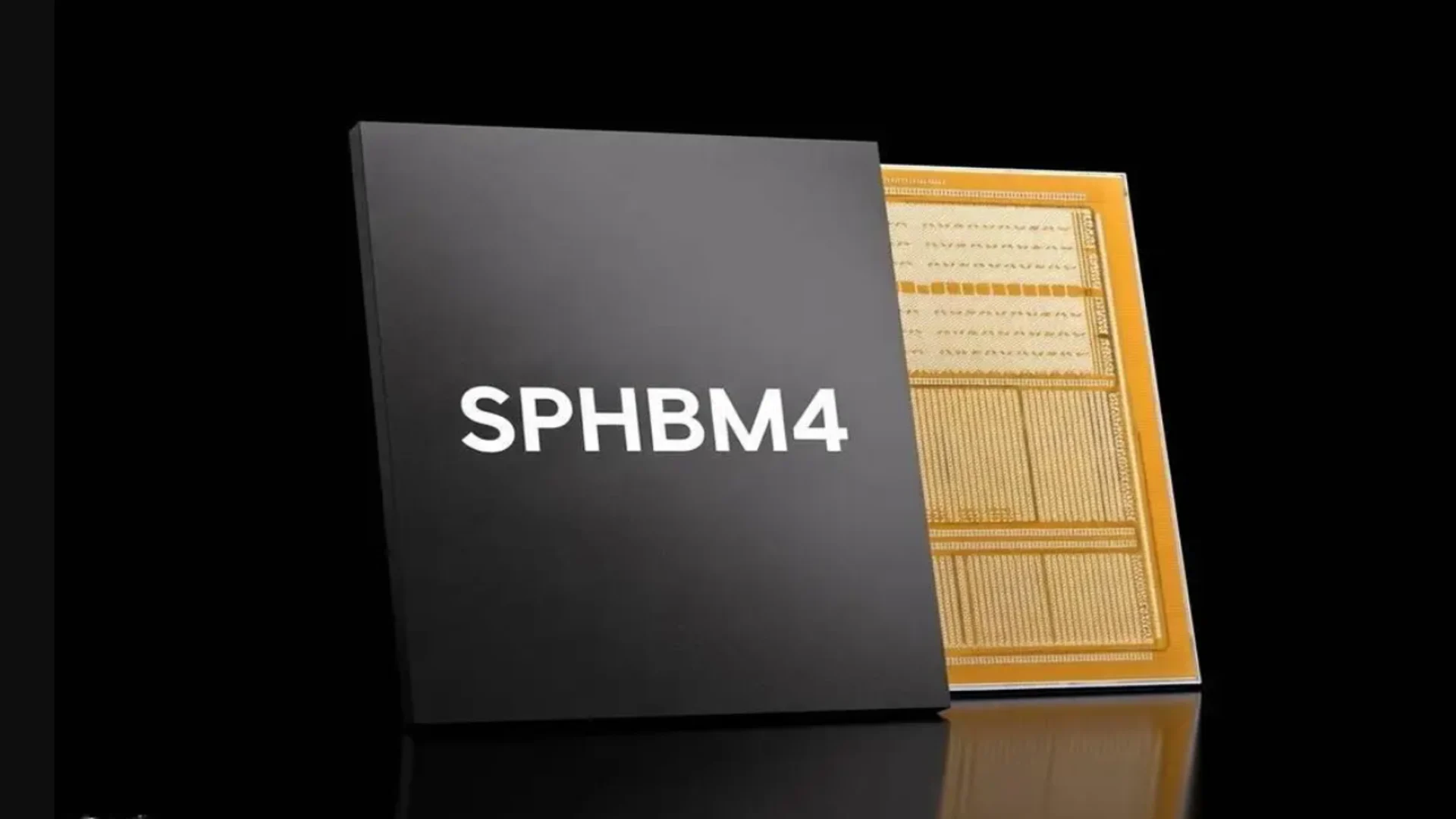
SPHBM4 has already picked up the wrong narrative. Some people are trying to sell it as a direct rescue plan for consumer RAM prices. Others dismiss it as another dry data-center spec. Both takes flatten what is actually happening. SPHBM4 is not gamer memory and it will not make your next DDR5 kit suddenly cheap. What it does show is that the AI hardware market has finally started looking for a cheaper way to feed accelerators without distorting the rest of the memory business quite so badly.
First, the obvious correction: SPHBM4 is not going into your gaming PC
That needs to be clear immediately because this is where the bad takes begin. SPHBM4 is not a new DIMM standard, not a shortcut to DDR6, and not a direct upgrade path for desktop memory. We are talking about a simplified direction tied to the HBM family, the kind of memory built around very high bandwidth and very short physical distance between the memory stack and the compute die.
In other words, this is a server and AI packaging story, not a shelf-next-to-your-AM5-kit story. But that is exactly why it matters to regular buyers too. If the AI side of the industry has started looking for a more economical path, it means the current model became too heavy even for a market that has spent the last two years absorbing absurdly high margins.
The real problem was never just “expensive memory.” It was expensive memory plus expensive packaging
For months the memory market has been living in a distorted structure. We hear about HBM demand, AI accelerators, and the natural shift in priorities for Samsung, SK hynix, and Micron. Then the consumer sees the downstream effect: pricier RAM, pricier laptops, pricier SSDs, and less breathing room across the whole hardware stack. A big part of that strain does not come from the bits alone. It comes from packaging.
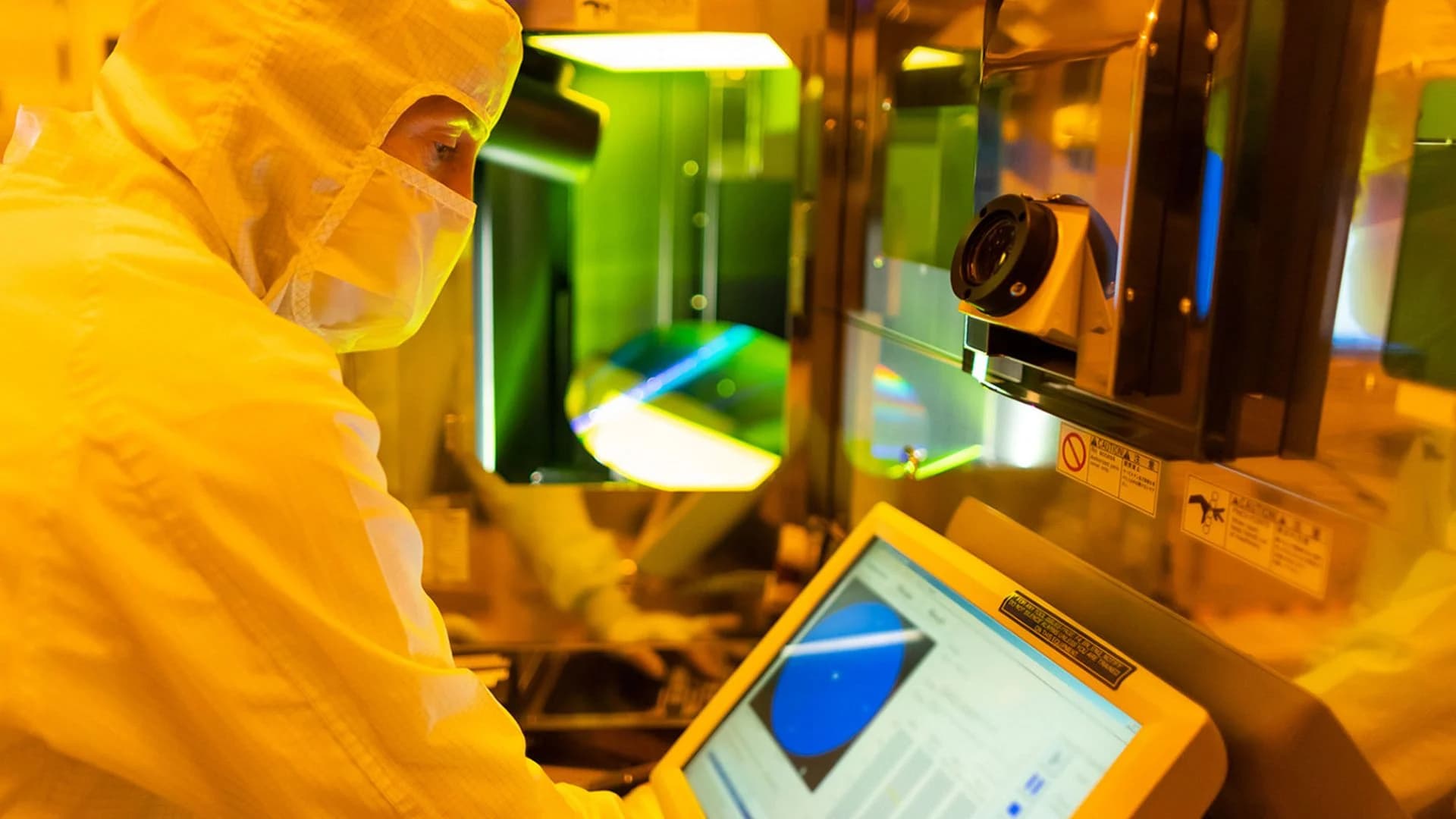
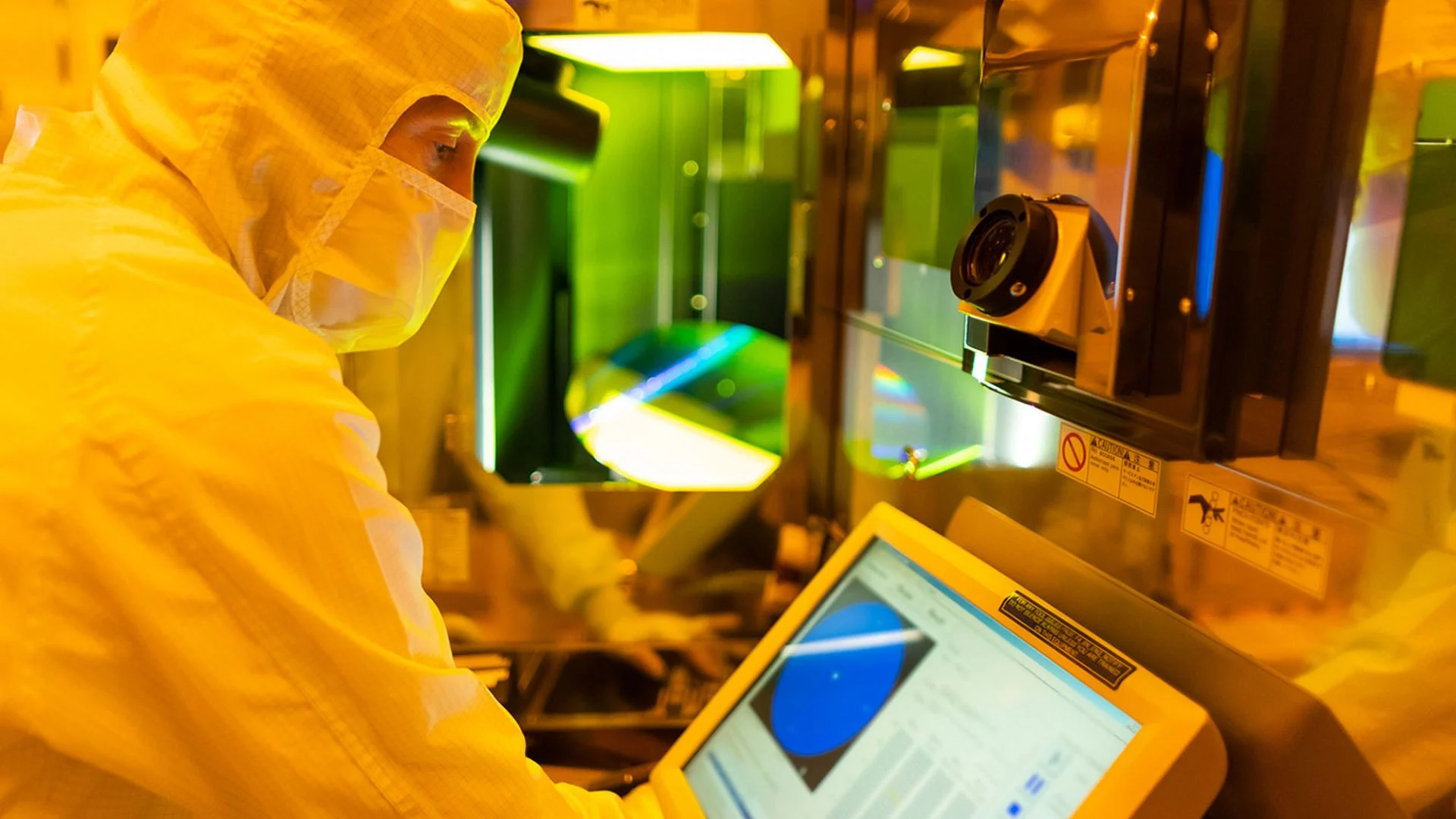
Traditional HBM is extremely expensive to build because it combines stacked memory, tight physical integration, and a packaging process that becomes painful the moment yields slip. During the AI boom that was tolerable because accelerator revenue justified almost anything. The problem is that not every deployment needs the most premium memory path on the planet.
Eventually the market had to ask a simpler question: does every next wave of AI hardware really need to sit on the costliest memory and packaging route available. SPHBM4 looks like the industry answering that question with less ego and more realism.
The entire point of SPHBM4 is to give up some ambition and save the economics
The clean version is this: the industry is trying to preserve enough of what makes HBM attractive while dropping part of the cost burden that comes with the full-fat approach. Reporting around the spec points to narrower interfaces, more practical packaging choices, and stronger reliance on organic substrates instead of the most expensive packaging layers. That does not sound glamorous because it is not a headline about doubling throughput. From a business point of view, it may matter more.
Not every AI card needs to be built like the absolute top of the market. A very large part of the deployment stack simply needs a healthier balance between performance and platform cost. If SPHBM4 helps deliver that, it gives vendors a middle path they badly needed.
Yes, it could help memory prices. No, it should not be sold as a fast consumer fix
This is where coverage can drift into nonsense. The fact that the industry is preparing a simpler HBM-class option does not mean retail DDR5 prices suddenly collapse next month. Any benefit to consumers would be indirect and slow. The real argument is that lighter AI memory packaging could reduce pressure on the most constrained parts of the supply chain and pull some sanity back into a market that has been running almost entirely on margin logic.
That distinction matters. Too many people want a straight line from “cheaper AI memory” to “cheap gamer RAM.” The memory market does not work that way. Pricing still depends on supply, contracts, demand cycles, and the strategy of the three dominant producers. SPHBM4 can improve the backdrop. It cannot solve the entire market by itself.
The most revealing part is that even the AI market looks tired of the “most expensive path every time” model
That is the real takeaway here. For the last two years it was easy to act as if the AI sector would absorb any amount of memory, any packaging cost, and any supply-chain distortion as long as the accelerator side kept printing money. A direction like SPHBM4 suggests that patience has limits even there. Companies would rather deploy something cheaper and easier to scale if it is good enough for the class of workloads they actually run.
This is not a consumer-facing revolution. It is a defensive move from an industry trying to stop behaving as if every next stage of AI growth must be fed through the most luxurious version of the entire memory chain. That makes the topic more important than it looks at first glance.
Gamers do not need to wait for SPHBM4. They need to understand what it signals
If you are building a PC now, this topic does not change tomorrow’s shopping list. There is no reason to freeze a platform purchase because “SPHBM4 will make everything cheaper soon.” That would be the wrong read. The better read is simpler: memory and packaging economics got so stretched that even the AI side of the market has started looking for a less punishing route.
For gamers, that is still useful information. It tells you the current AI-driven pressure is no longer being described only in the language of growth and demand. It is being described in the language of cost, friction, and inefficiency too. That is usually the first point where a market starts moving back toward healthier proportions.
SPHBM4 is worth watching because it exposes how strained the memory market became
The loudest message here is simple: the AI hardware market no longer looks comfortable paying any price for any memory configuration forever. That does not mean HBM is going away or that accelerators are about to retreat. It means the industry wants an intermediate lane that is less expensive and easier to scale. If that lane proves viable, the broader memory market should eventually breathe a little more easily.
That is why SPHBM4 matters. Not because it sounds futuristic, but because it says something blunt about the present: memory became too expensive, too heavy to deploy, and too convenient for the companies selling it at the top of the chain.

Comments
Discussion
Join the conversation around this story.
Join the discussion
Sign in to comment and reply to other readers.
Sign inNo comments yet
Start the discussion first.