%22%20fill%3D%22rgb(0%2C0%2C0)%22%20d%3D%22M%201708.71%2032.0719%20L%201711.17%2032.1726%20L%201711.48%2033.8726%20C%201698.63%2068.7557%201678.15%20111.062%201663.25%20146.038%20L%201610.27%20270.222%20C%201600.68%20293.044%201548.56%20422.248%201540.04%20431.57%20C%201533.67%20438.547%201128.18%20599.98%201082.51%20618.503%20L%20896.13%20695.087%20C%20861.529%20708.971%20827.042%20723.139%20792.674%20737.591%20C%20773.372%20745.745%20749.086%20754.449%20732.134%20766.537%20C%20692.666%20794.684%20697.752%20841.911%20698.601%20884.356%20C%20699.702%20939.367%20740.841%20953.958%20782.454%20976.677%20L%20861.67%201020.18%20L%201099.89%201152.37%20C%201107.22%201156.5%201119.88%201164.35%201127.14%201167.58%20C%201169.86%201186.61%201146.74%201195.41%201117.9%201208.29%20C%201100.37%201216.11%201079.03%201225.42%201060.64%201233.58%20C%201010.18%201256.26%20959.538%201278.54%20908.726%201300.43%20C%20894.529%201306.71%20881.754%201312.22%20867.258%201317.69%20C%20862.804%201316.04%20858.4%201314.27%20854.051%201312.36%20C%20836.181%201304.32%20811.094%201289.47%20793.048%201279.86%20L%20667.457%201213.33%20L%20559.157%201156.4%20C%20524.558%201137.94%20487.124%201123.47%20472.687%201083.79%20C%20469.558%201074.97%20467.621%201065.77%20466.927%201056.43%20C%20465.765%201038.59%20466.66%201011.98%20466.668%20993.332%20L%20466.359%20873.615%20C%20465.984%20815.652%20463.947%20757.728%20465.485%20699.747%20C%20465.795%20688.052%20466.054%20675.662%20467.175%20664.054%20C%20469.31%20640.858%20475.406%20618.2%20485.2%20597.064%20C%20517.254%20527.676%20568.707%20508.151%20633.929%20480.324%20L%20726.507%20441.167%20L%201040.13%20310.018%20L%201452.31%20137.782%20L%201616.93%2069.4204%20C%201646.93%2057.0612%201678.5%2043.152%201708.71%2032.0719%20z%22%2F%3E%0D%0A%3Cpath%20transform%3D%22translate(0%2C0)%22%20fill%3D%22rgb(0%2C0%2C0)%22%20d%3D%22M%201180.36%20731.182%20C%201195.24%20733.945%201233.7%20756.876%201248.98%20765.026%20L%201364.16%20826.126%20L%201484.37%20889.381%20C%201498.57%20896.955%201532.42%20914.303%201544.52%20923.261%20C%201557.39%20932.823%201567.44%20945.681%201573.6%20960.477%20C%201577.74%20970.613%201580.28%20981.333%201581.12%20992.25%20C%201582.2%201006.88%201581.3%201032.21%201581.31%201047.95%20L%201581.63%201160.97%20C%201582.26%201211.62%201582.57%201262.29%201582.57%201312.95%20C%201582.44%201333.48%201582.84%201362.18%201581%201382.38%20C%201579.14%201403.66%201573.97%201424.53%201565.69%201444.23%20C%201551.08%201479.78%201525.53%201509.75%201492.74%201529.79%20C%201460.17%201549.9%201412.55%201568.06%201376.2%201583.68%20C%201297.89%201617.01%201219.4%201649.9%201140.72%201682.34%20L%20334.313%202018.15%20C%20339.936%202006.05%20344.516%201995.06%20349.5%201982.67%20C%20380.898%201908.42%20413.985%201834.57%20445.11%201760.02%20C%20459.052%201725.94%20473.375%201692.02%20488.076%201658.26%20C%20492.996%201647.05%20502.305%201624.37%20508.527%201614.93%20C%20525.371%201606.59%20557.563%201594.41%20575.732%201586.98%20L%20705.864%201534%20C%20845.58%201478.27%20984.961%201421.71%201124%201364.32%20L%201246.78%201313.94%20C%201290.4%201295.55%201343.27%201280.12%201348.5%201224.17%20C%201350.49%201202.85%201351.54%201164.6%201346.69%201143.96%20C%201344.6%201134.87%201340.77%201126.27%201335.41%201118.63%20C%201321.45%201099.1%201289.07%201084.29%201267.79%201072.67%20L%201188.51%201029.14%20L%20997.495%20923.267%20L%20933.233%20887.54%20C%20924.86%20882.894%20890.238%20867.795%20898.045%20858.391%20C%20907.874%20846.549%20953.243%20829.416%20967.235%20823.263%20L%201064.01%20780.291%20C%201087.5%20769.837%201111.05%20759.524%201134.65%20749.351%20C%201147.99%20743.555%201166.91%20734.741%201180.36%20731.182%20z%22%2F%3E%0D%0A%3C%2Fsvg%3E)
%22%20fill%3D%22rgb(255%2C255%2C255)%22%20d%3D%22M%201708.71%2032.0719%20L%201711.17%2032.1726%20L%201711.48%2033.8726%20C%201698.63%2068.7557%201678.15%20111.062%201663.25%20146.038%20L%201610.27%20270.222%20C%201600.68%20293.044%201548.56%20422.248%201540.04%20431.57%20C%201533.67%20438.547%201128.18%20599.98%201082.51%20618.503%20L%20896.13%20695.087%20C%20861.529%20708.971%20827.042%20723.139%20792.674%20737.591%20C%20773.372%20745.745%20749.086%20754.449%20732.134%20766.537%20C%20692.666%20794.684%20697.752%20841.911%20698.601%20884.356%20C%20699.702%20939.367%20740.841%20953.958%20782.454%20976.677%20L%20861.67%201020.18%20L%201099.89%201152.37%20C%201107.22%201156.5%201119.88%201164.35%201127.14%201167.58%20C%201169.86%201186.61%201146.74%201195.41%201117.9%201208.29%20C%201100.37%201216.11%201079.03%201225.42%201060.64%201233.58%20C%201010.18%201256.26%20959.538%201278.54%20908.726%201300.43%20C%20894.529%201306.71%20881.754%201312.22%20867.258%201317.69%20C%20862.804%201316.04%20858.4%201314.27%20854.051%201312.36%20C%20836.181%201304.32%20811.094%201289.47%20793.048%201279.86%20L%20667.457%201213.33%20L%20559.157%201156.4%20C%20524.558%201137.94%20487.124%201123.47%20472.687%201083.79%20C%20469.558%201074.97%20467.621%201065.77%20466.927%201056.43%20C%20465.765%201038.59%20466.66%201011.98%20466.668%20993.332%20L%20466.359%20873.615%20C%20465.984%20815.652%20463.947%20757.728%20465.485%20699.747%20C%20465.795%20688.052%20466.054%20675.662%20467.175%20664.054%20C%20469.31%20640.858%20475.406%20618.2%20485.2%20597.064%20C%20517.254%20527.676%20568.707%20508.151%20633.929%20480.324%20L%20726.507%20441.167%20L%201040.13%20310.018%20L%201452.31%20137.782%20L%201616.93%2069.4204%20C%201646.93%2057.0612%201678.5%2043.152%201708.71%2032.0719%20z%22%2F%3E%0D%0A%3Cpath%20transform%3D%22translate(0%2C0)%22%20fill%3D%22rgb(255%2C255%2C255)%22%20d%3D%22M%201180.36%20731.182%20C%201195.24%20733.945%201233.7%20756.876%201248.98%20765.026%20L%201364.16%20826.126%20L%201484.37%20889.381%20C%201498.57%20896.955%201532.42%20914.303%201544.52%20923.261%20C%201557.39%20932.823%201567.44%20945.681%201573.6%20960.477%20C%201577.74%20970.613%201580.28%20981.333%201581.12%20992.25%20C%201582.2%201006.88%201581.3%201032.21%201581.31%201047.95%20L%201581.63%201160.97%20C%201582.26%201211.62%201582.57%201262.29%201582.57%201312.95%20C%201582.44%201333.48%201582.84%201362.18%201581%201382.38%20C%201579.14%201403.66%201573.97%201424.53%201565.69%201444.23%20C%201551.08%201479.78%201525.53%201509.75%201492.74%201529.79%20C%201460.17%201549.9%201412.55%201568.06%201376.2%201583.68%20C%201297.89%201617.01%201219.4%201649.9%201140.72%201682.34%20L%20334.313%202018.15%20C%20339.936%202006.05%20344.516%201995.06%20349.5%201982.67%20C%20380.898%201908.42%20413.985%201834.57%20445.11%201760.02%20C%20459.052%201725.94%20473.375%201692.02%20488.076%201658.26%20C%20492.996%201647.05%20502.305%201624.37%20508.527%201614.93%20C%20525.371%201606.59%20557.563%201594.41%20575.732%201586.98%20L%20705.864%201534%20C%20845.58%201478.27%20984.961%201421.71%201124%201364.32%20L%201246.78%201313.94%20C%201290.4%201295.55%201343.27%201280.12%201348.5%201224.17%20C%201350.49%201202.85%201351.54%201164.6%201346.69%201143.96%20C%201344.6%201134.87%201340.77%201126.27%201335.41%201118.63%20C%201321.45%201099.1%201289.07%201084.29%201267.79%201072.67%20L%201188.51%201029.14%20L%20997.495%20923.267%20L%20933.233%20887.54%20C%20924.86%20882.894%20890.238%20867.795%20898.045%20858.391%20C%20907.874%20846.549%20953.243%20829.416%20967.235%20823.263%20L%201064.01%20780.291%20C%201087.5%20769.837%201111.05%20759.524%201134.65%20749.351%20C%201147.99%20743.555%201166.91%20734.741%201180.36%20731.182%20z%22%2F%3E%0D%0A%3C%2Fsvg%3E)

A year ago, Igor Babuschkin watched Grok, the chatbot built by the company he co-founded, spit out antisemitic remarks and deepfakes of public figures. He left xAI in August 2025. Today his new company, River AI, has just closed a $1.1 billion funding round at a $5 billion valuation, backed by investors that until recently were competing head to head for the same slice of the AI market: Nvidia and AMD, in the same round.
What River AI is actually building
River was incorporated in Nevada on April 20, 2026. Two months later, the company already has a product: River API, a platform that lets developers and businesses fine-tune open-weight models on their own data without building the infrastructure normally required for large-scale training. River says the platform supports models from 35 billion to a trillion parameters and can complete complex reinforcement learning runs in 15 to 20 minutes, at two to four times the cost savings of comparable closed alternatives.
Behind that product sits a broader vision: a full stack, from hardware that keeps personal AI models close to the user, through training infrastructure that makes fine-tuning accessible, to products built around personalization. Babuschkin has said plainly that he wants River to build servers letting individuals and businesses run open models on their own hardware, so private data never has to reach River or any other company.
The framing is an obvious answer to where Babuschkin came from: a model controlled centrally by one company, with product decisions made behind closed doors, is exactly what he dealt with at Grok. River sells itself as the opposite of that arrangement, AI the user owns and shapes themselves, instead of receiving it fully formed from above.
Where the $1.1 billion came from
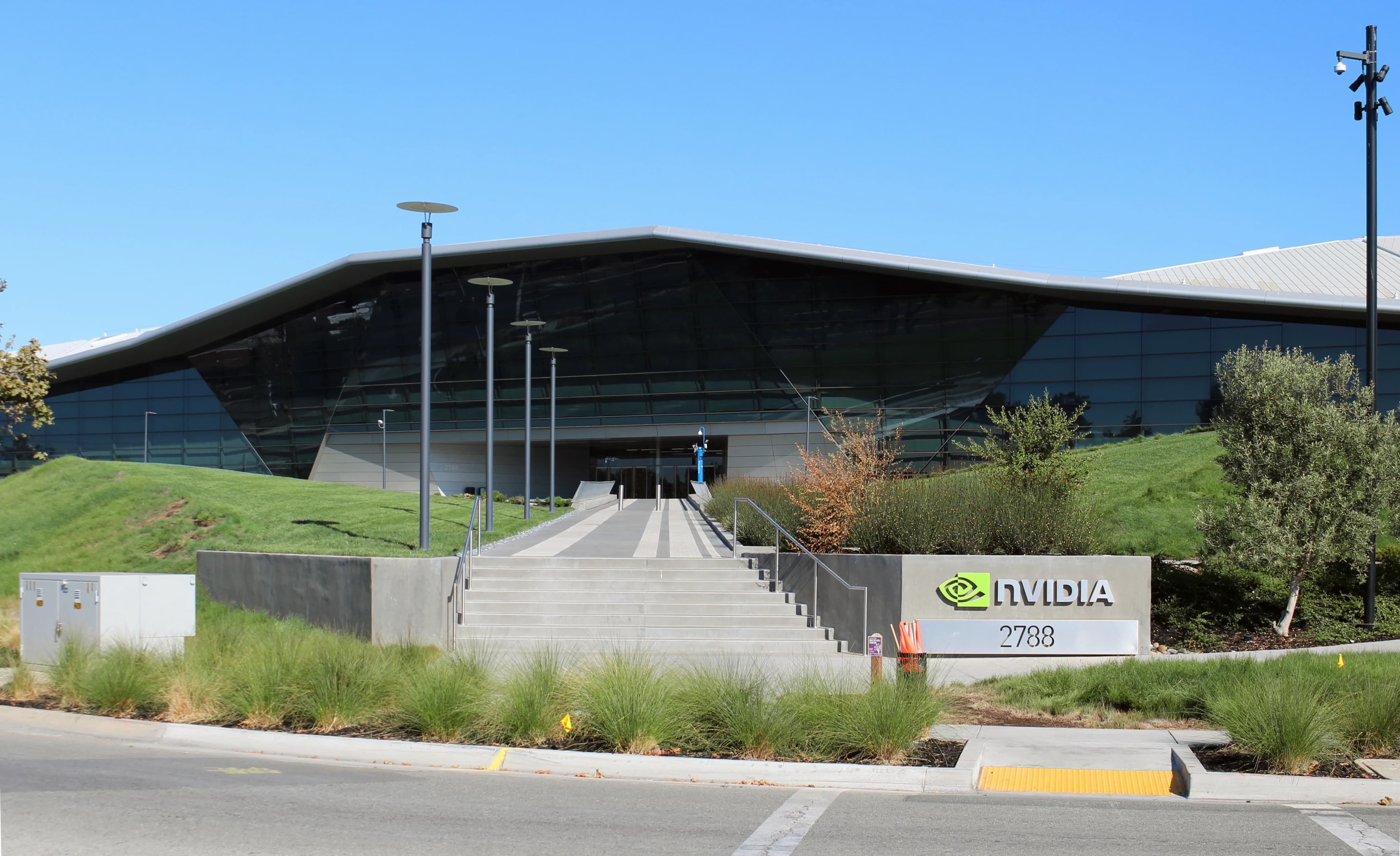
The round was led by General Catalyst and AMP PBC. Nvidia and AMD Ventures both took strategic stakes, alongside Y Combinator and Singapore's state fund Temasek. For a two-month-old company with about 20 employees, that's a sum that raises the obvious question of exactly what investors are buying beyond the team and the pitch.
Part of the answer sits in Nvidia and AMD showing up in the same round. Both companies make the hardware AI models run on, and both have a direct interest in infrastructure that pushes companies and individuals toward training their own models on their own hardware instead of paying for access to someone else's model in the cloud. If River's vision plays out, it drives demand for both companies' chips regardless of whether River succeeds as an independent business in the conventional sense.
River is still months away from shipping the open-source pieces of its stack, the parts that would actually hand control back to users rather than just letting them fine-tune someone else's model through an API. For now, the only tangible product is River API, a commercial service, not the open stack the company's mission statement promises.
From AlphaStar to Grok
Babuschkin isn't a random founder with a pitch deck. He studied physics at Technische Universität Dortmund, including work on the LHCb experiment at CERN, before moving into machine learning. At Google DeepMind, he served as technical lead on AlphaStar, which reached grandmaster level in StarCraft II in 2019 using multi-agent reinforcement learning, one of the more demanding testbeds for that class of algorithm at the time. He later worked on large-scale training at OpenAI, before co-founding xAI with Elon Musk in 2023.
At xAI, Babuschkin was part of the team building Grok from the ground up, through a string of controversies that hit the company one after another: a chatbot echoing Musk's personal views, posts containing antisemitic content, generated material using public figures' likenesses without consent. Saying goodbye to xAI in August 2025, Babuschkin spoke of feeling the pride of a father sending his child to college and cited two lessons from Musk: don't be afraid to personally roll up your sleeves on technical problems, and keep a maniacal sense of urgency. That's not the language of someone burned out by the job, it's someone who chose to leave before the next scandal broke under his name.
Right after leaving, he founded Babuschkin Ventures, a fund backing startups working on AI safety and agentic systems, inspired by conversations about AI safety with people like Max Tegmark. River AI, launched a few months later, looks like the natural extension of the same impulse: instead of just funding other people's projects built around safe, user-owned AI, build one himself.
Where another company fits into this
Open-weight models aren't new on their own: Meta keeps developing its Llama line, DeepSeek regularly ships models priced competitively against closed alternatives, Mistral does the same out of Europe. River isn't trying to build another entrant in that race. It's betting on the opposite premise: that the model itself is already a solved problem, and the real gap sits in what happens after, fine-tuning, hosting, and maintaining that model so someone without an infrastructure engineering team can actually put it to use on their own terms.
That framing makes business sense regardless of which specific open-weight model happens to be winning the leaderboards in any given month. If River genuinely cuts fine-tuning time and cost the way it claims, it earns money off every new open-weight model that reaches the market, instead of competing directly with the labs spending hundreds of millions of dollars to train those models from scratch.
A big check, a small company
The gap between the scale of the funding and the maturity of the company is hard to ignore. River is two months old, has about 20 people on staff, and one commercial product, River API, while the actual open piece of the stack, the part that would deliver on the real promise of handing control back to users, still hasn't shipped. A $1.1 billion round at this stage of operations is a bet on Babuschkin's reputation and network more than on anything that can be tested today.
That's not an exception in this year's AI market, either. Capital is flowing to teams with the right pedigree faster than those teams can ship anything, and strategic investors like Nvidia and AMD are playing a different game than VC funds, for them River's success as an independent company is secondary to whether it drives demand for their hardware at all. For the end user, that means the promise of "AI that's actually yours" stays, for now, exactly that: a promise, resting on a good idea and an experienced team, but without a product yet that proves it can hold up in practice rather than just sell well to investors.
Comments
Discussion
Join the conversation around this story.
Join the discussion
Sign in to comment and reply to other readers.
Sign inNo comments yet
Start the discussion first.