%22%20fill%3D%22rgb(0%2C0%2C0)%22%20d%3D%22M%201708.71%2032.0719%20L%201711.17%2032.1726%20L%201711.48%2033.8726%20C%201698.63%2068.7557%201678.15%20111.062%201663.25%20146.038%20L%201610.27%20270.222%20C%201600.68%20293.044%201548.56%20422.248%201540.04%20431.57%20C%201533.67%20438.547%201128.18%20599.98%201082.51%20618.503%20L%20896.13%20695.087%20C%20861.529%20708.971%20827.042%20723.139%20792.674%20737.591%20C%20773.372%20745.745%20749.086%20754.449%20732.134%20766.537%20C%20692.666%20794.684%20697.752%20841.911%20698.601%20884.356%20C%20699.702%20939.367%20740.841%20953.958%20782.454%20976.677%20L%20861.67%201020.18%20L%201099.89%201152.37%20C%201107.22%201156.5%201119.88%201164.35%201127.14%201167.58%20C%201169.86%201186.61%201146.74%201195.41%201117.9%201208.29%20C%201100.37%201216.11%201079.03%201225.42%201060.64%201233.58%20C%201010.18%201256.26%20959.538%201278.54%20908.726%201300.43%20C%20894.529%201306.71%20881.754%201312.22%20867.258%201317.69%20C%20862.804%201316.04%20858.4%201314.27%20854.051%201312.36%20C%20836.181%201304.32%20811.094%201289.47%20793.048%201279.86%20L%20667.457%201213.33%20L%20559.157%201156.4%20C%20524.558%201137.94%20487.124%201123.47%20472.687%201083.79%20C%20469.558%201074.97%20467.621%201065.77%20466.927%201056.43%20C%20465.765%201038.59%20466.66%201011.98%20466.668%20993.332%20L%20466.359%20873.615%20C%20465.984%20815.652%20463.947%20757.728%20465.485%20699.747%20C%20465.795%20688.052%20466.054%20675.662%20467.175%20664.054%20C%20469.31%20640.858%20475.406%20618.2%20485.2%20597.064%20C%20517.254%20527.676%20568.707%20508.151%20633.929%20480.324%20L%20726.507%20441.167%20L%201040.13%20310.018%20L%201452.31%20137.782%20L%201616.93%2069.4204%20C%201646.93%2057.0612%201678.5%2043.152%201708.71%2032.0719%20z%22%2F%3E%0D%0A%3Cpath%20transform%3D%22translate(0%2C0)%22%20fill%3D%22rgb(0%2C0%2C0)%22%20d%3D%22M%201180.36%20731.182%20C%201195.24%20733.945%201233.7%20756.876%201248.98%20765.026%20L%201364.16%20826.126%20L%201484.37%20889.381%20C%201498.57%20896.955%201532.42%20914.303%201544.52%20923.261%20C%201557.39%20932.823%201567.44%20945.681%201573.6%20960.477%20C%201577.74%20970.613%201580.28%20981.333%201581.12%20992.25%20C%201582.2%201006.88%201581.3%201032.21%201581.31%201047.95%20L%201581.63%201160.97%20C%201582.26%201211.62%201582.57%201262.29%201582.57%201312.95%20C%201582.44%201333.48%201582.84%201362.18%201581%201382.38%20C%201579.14%201403.66%201573.97%201424.53%201565.69%201444.23%20C%201551.08%201479.78%201525.53%201509.75%201492.74%201529.79%20C%201460.17%201549.9%201412.55%201568.06%201376.2%201583.68%20C%201297.89%201617.01%201219.4%201649.9%201140.72%201682.34%20L%20334.313%202018.15%20C%20339.936%202006.05%20344.516%201995.06%20349.5%201982.67%20C%20380.898%201908.42%20413.985%201834.57%20445.11%201760.02%20C%20459.052%201725.94%20473.375%201692.02%20488.076%201658.26%20C%20492.996%201647.05%20502.305%201624.37%20508.527%201614.93%20C%20525.371%201606.59%20557.563%201594.41%20575.732%201586.98%20L%20705.864%201534%20C%20845.58%201478.27%20984.961%201421.71%201124%201364.32%20L%201246.78%201313.94%20C%201290.4%201295.55%201343.27%201280.12%201348.5%201224.17%20C%201350.49%201202.85%201351.54%201164.6%201346.69%201143.96%20C%201344.6%201134.87%201340.77%201126.27%201335.41%201118.63%20C%201321.45%201099.1%201289.07%201084.29%201267.79%201072.67%20L%201188.51%201029.14%20L%20997.495%20923.267%20L%20933.233%20887.54%20C%20924.86%20882.894%20890.238%20867.795%20898.045%20858.391%20C%20907.874%20846.549%20953.243%20829.416%20967.235%20823.263%20L%201064.01%20780.291%20C%201087.5%20769.837%201111.05%20759.524%201134.65%20749.351%20C%201147.99%20743.555%201166.91%20734.741%201180.36%20731.182%20z%22%2F%3E%0D%0A%3C%2Fsvg%3E)
%22%20fill%3D%22rgb(255%2C255%2C255)%22%20d%3D%22M%201708.71%2032.0719%20L%201711.17%2032.1726%20L%201711.48%2033.8726%20C%201698.63%2068.7557%201678.15%20111.062%201663.25%20146.038%20L%201610.27%20270.222%20C%201600.68%20293.044%201548.56%20422.248%201540.04%20431.57%20C%201533.67%20438.547%201128.18%20599.98%201082.51%20618.503%20L%20896.13%20695.087%20C%20861.529%20708.971%20827.042%20723.139%20792.674%20737.591%20C%20773.372%20745.745%20749.086%20754.449%20732.134%20766.537%20C%20692.666%20794.684%20697.752%20841.911%20698.601%20884.356%20C%20699.702%20939.367%20740.841%20953.958%20782.454%20976.677%20L%20861.67%201020.18%20L%201099.89%201152.37%20C%201107.22%201156.5%201119.88%201164.35%201127.14%201167.58%20C%201169.86%201186.61%201146.74%201195.41%201117.9%201208.29%20C%201100.37%201216.11%201079.03%201225.42%201060.64%201233.58%20C%201010.18%201256.26%20959.538%201278.54%20908.726%201300.43%20C%20894.529%201306.71%20881.754%201312.22%20867.258%201317.69%20C%20862.804%201316.04%20858.4%201314.27%20854.051%201312.36%20C%20836.181%201304.32%20811.094%201289.47%20793.048%201279.86%20L%20667.457%201213.33%20L%20559.157%201156.4%20C%20524.558%201137.94%20487.124%201123.47%20472.687%201083.79%20C%20469.558%201074.97%20467.621%201065.77%20466.927%201056.43%20C%20465.765%201038.59%20466.66%201011.98%20466.668%20993.332%20L%20466.359%20873.615%20C%20465.984%20815.652%20463.947%20757.728%20465.485%20699.747%20C%20465.795%20688.052%20466.054%20675.662%20467.175%20664.054%20C%20469.31%20640.858%20475.406%20618.2%20485.2%20597.064%20C%20517.254%20527.676%20568.707%20508.151%20633.929%20480.324%20L%20726.507%20441.167%20L%201040.13%20310.018%20L%201452.31%20137.782%20L%201616.93%2069.4204%20C%201646.93%2057.0612%201678.5%2043.152%201708.71%2032.0719%20z%22%2F%3E%0D%0A%3Cpath%20transform%3D%22translate(0%2C0)%22%20fill%3D%22rgb(255%2C255%2C255)%22%20d%3D%22M%201180.36%20731.182%20C%201195.24%20733.945%201233.7%20756.876%201248.98%20765.026%20L%201364.16%20826.126%20L%201484.37%20889.381%20C%201498.57%20896.955%201532.42%20914.303%201544.52%20923.261%20C%201557.39%20932.823%201567.44%20945.681%201573.6%20960.477%20C%201577.74%20970.613%201580.28%20981.333%201581.12%20992.25%20C%201582.2%201006.88%201581.3%201032.21%201581.31%201047.95%20L%201581.63%201160.97%20C%201582.26%201211.62%201582.57%201262.29%201582.57%201312.95%20C%201582.44%201333.48%201582.84%201362.18%201581%201382.38%20C%201579.14%201403.66%201573.97%201424.53%201565.69%201444.23%20C%201551.08%201479.78%201525.53%201509.75%201492.74%201529.79%20C%201460.17%201549.9%201412.55%201568.06%201376.2%201583.68%20C%201297.89%201617.01%201219.4%201649.9%201140.72%201682.34%20L%20334.313%202018.15%20C%20339.936%202006.05%20344.516%201995.06%20349.5%201982.67%20C%20380.898%201908.42%20413.985%201834.57%20445.11%201760.02%20C%20459.052%201725.94%20473.375%201692.02%20488.076%201658.26%20C%20492.996%201647.05%20502.305%201624.37%20508.527%201614.93%20C%20525.371%201606.59%20557.563%201594.41%20575.732%201586.98%20L%20705.864%201534%20C%20845.58%201478.27%20984.961%201421.71%201124%201364.32%20L%201246.78%201313.94%20C%201290.4%201295.55%201343.27%201280.12%201348.5%201224.17%20C%201350.49%201202.85%201351.54%201164.6%201346.69%201143.96%20C%201344.6%201134.87%201340.77%201126.27%201335.41%201118.63%20C%201321.45%201099.1%201289.07%201084.29%201267.79%201072.67%20L%201188.51%201029.14%20L%20997.495%20923.267%20L%20933.233%20887.54%20C%20924.86%20882.894%20890.238%20867.795%20898.045%20858.391%20C%20907.874%20846.549%20953.243%20829.416%20967.235%20823.263%20L%201064.01%20780.291%20C%201087.5%20769.837%201111.05%20759.524%201134.65%20749.351%20C%201147.99%20743.555%201166.91%20734.741%201180.36%20731.182%20z%22%2F%3E%0D%0A%3C%2Fsvg%3E)

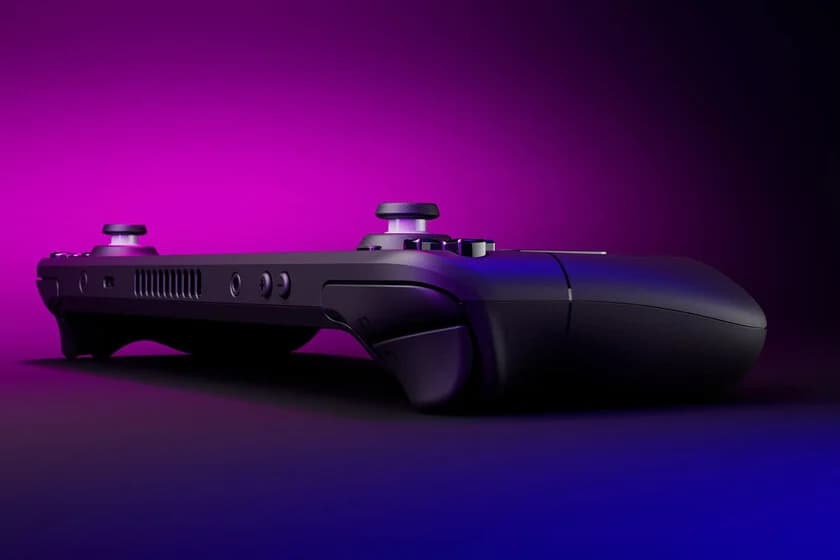
Nintendo's decision to stop selling the original Switch family in Europe from mid-February 2027 looks like a routine corporate update at first glance. For the market, it means something far more important: the cheapest new way into the Switch ecosystem is ending in the EU, and the used market is going to feel that long before many buyers expect it to. This is not the death of the platform itself. It is the end of the situation where you could still walk into retail and buy a brand-new Lite, OLED, or standard Switch as a safe, familiar, relatively affordable option for a child, a second household device, or a simple route into Nintendo exclusives without paying next-generation money.
The key fact is straightforward. Nintendo has confirmed that from mid-February 2027 it will stop selling the entire original Switch family to European retailers: the base model, Switch Lite, and Switch OLED. The reason is equally clear. New EU requirements around user-replaceable batteries take effect on February 18, 2027. Nintendo is already preparing revised hardware for Europe elsewhere in its lineup, but it is not going to redesign the original Switch family just to keep that generation alive on shelves. That is where the story stops being small. Nintendo is not simply closing an old chapter. It is removing its most understandable mass-market product from retail.
This is not symbolic. It cuts out the most approachable part of the market
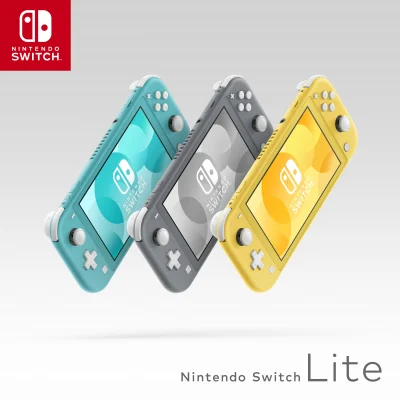
For years, the first Switch family filled several roles at once in Europe. For some people it was the household console. For others it was the cleanest way to play Nintendo games without moving into newer, more expensive hardware. Switch Lite in particular became its own category: a small, light, uncomplicated handheld that did not ask you to think about a dock, television output, or a more ambitious hardware roadmap. OLED sat in a different sweet spot, offering the feeling of the "finished" version without asking buyers to leave the original generation behind. Removing all of those from retail means that by spring 2027 there will no longer be a cheaper, well-understood Nintendo hardware lane on shelves. There will be newer hardware, and with it a naturally higher entry price.
That is why the news matters even to people who have no interest in collecting Nintendo hardware. Markets rarely react violently to the word "end" on its own. They react much more clearly when a convenient reference point disappears. Once there is no longer a new, official, predictable old-Switch unit sitting in retail, used pricing begins to reorganize itself around a different reality. There will still be warehouse clear-outs, late-cycle discounts, and lingering retailer stock for a while. After that, prices will normalize without the steady pressure of a new product sitting right beside them.
What happens to used prices?
The most realistic answer is this: I would not expect immediate panic, but I would expect cleaner, stronger pricing for good-condition systems than we have today, especially OLED units and tidy Lite models. The original Switch will not suddenly become rare collector hardware. The platform sold at huge scale, and there will be plenty of machines in circulation. But the buying psychology in Europe will change. A used Switch will stop being something you buy because a new one still exists in stores and you just want to save money. It will become something you buy because that old retail option is gone altogether.
The effect may be strongest on models with a very specific identity. Switch Lite is small, light, and frictionless. For a lot of people, that still makes it the best Switch, even if it was technically the least ambitious one. A device like that does not need explosive collector pricing to hold value better than it does now. It only needs demand to remain while fresh official supply disappears. OLED works from the other side. It is the final, more complete expression of the original generation. For some buyers that alone will make it the default target on the used market once retail is closed, because it looks like the best possible version of "old Switch" you can still get.
Nintendo is not dropping Switch 1 because it stopped making sense
That also needs to be said clearly, because stories like this invite lazy narratives. The first Switch is not going away because it suddenly stopped being useful. It is going away because adapting the old family to European battery rules would be costly, awkward, and commercially pointless in the middle of a newer hardware cycle. Nintendo is choosing order over sentiment. From the company's side that is perfectly logical. From the player's side it means that the long-running "everyone knows what this is and roughly what it costs" Nintendo console disappears as a brand-new retail product.
That is why the second-hand market in 2027 may gain a second life not as a backup route, but as the natural sales channel for the original Switch. That distinction matters. Used Nintendo hardware has historically held value better than many buyers would prefer, not because it was always scarce, but because the software library keeps pulling people back with a very specific list of games: Mario, Zelda, Animal Crossing, Pokémon, Xenoblade. Once the new retail option goes away, that pull gets simpler. You buy the older platform not because it is current, but because it is still the right machine for those games within a certain budget.
Should you buy a Switch 1 before February 2027?
If you were already planning to enter that library, the answer is yes, but without panic. This is not a call to buy blindly because everything is about to vanish. It is a reminder that the current period is the last one in which buyers can still choose sensibly between a new unit, a used unit, a Lite, an OLED, and a standard model while holding real leverage. Once official supply is gone, that comfort disappears. Then the decision becomes more technical: battery health, stick wear, charging history, possible drift, possible repairs, overall condition.
For parents buying a machine for a child, for players who want a second device for travel, and for people who kept postponing their entry into Nintendo exclusives, this is a practical shift. Through the second half of 2026 and into early 2027, it should still be possible to find clean new hardware without the whole trust problem that comes with second-hand marketplaces. After that, the used route becomes normal, and normal used-market problems come with it.
The real consequences will show up months later, not on the day of the announcement
People like to treat these stories as either instant death or instant collector frenzy. Neither reading feels serious here. The original Switch is not disappearing from European homes, and it is not suddenly becoming a bad console for its library. What changes is the pricing structure around it. Right now, the old Switch still lives beside retail. In 2027 it will live mostly beside newer hardware and beside memory: the memory of how long it remained available as the calm, affordable Nintendo option. That is enough to make well-kept units hold their level more firmly than they do today.

Comments
Discussion
Join the conversation around this story.
Join the discussion
Sign in to comment and reply to other readers.
Sign inNo comments yet
Start the discussion first.