%22%20fill%3D%22rgb(0%2C0%2C0)%22%20d%3D%22M%201708.71%2032.0719%20L%201711.17%2032.1726%20L%201711.48%2033.8726%20C%201698.63%2068.7557%201678.15%20111.062%201663.25%20146.038%20L%201610.27%20270.222%20C%201600.68%20293.044%201548.56%20422.248%201540.04%20431.57%20C%201533.67%20438.547%201128.18%20599.98%201082.51%20618.503%20L%20896.13%20695.087%20C%20861.529%20708.971%20827.042%20723.139%20792.674%20737.591%20C%20773.372%20745.745%20749.086%20754.449%20732.134%20766.537%20C%20692.666%20794.684%20697.752%20841.911%20698.601%20884.356%20C%20699.702%20939.367%20740.841%20953.958%20782.454%20976.677%20L%20861.67%201020.18%20L%201099.89%201152.37%20C%201107.22%201156.5%201119.88%201164.35%201127.14%201167.58%20C%201169.86%201186.61%201146.74%201195.41%201117.9%201208.29%20C%201100.37%201216.11%201079.03%201225.42%201060.64%201233.58%20C%201010.18%201256.26%20959.538%201278.54%20908.726%201300.43%20C%20894.529%201306.71%20881.754%201312.22%20867.258%201317.69%20C%20862.804%201316.04%20858.4%201314.27%20854.051%201312.36%20C%20836.181%201304.32%20811.094%201289.47%20793.048%201279.86%20L%20667.457%201213.33%20L%20559.157%201156.4%20C%20524.558%201137.94%20487.124%201123.47%20472.687%201083.79%20C%20469.558%201074.97%20467.621%201065.77%20466.927%201056.43%20C%20465.765%201038.59%20466.66%201011.98%20466.668%20993.332%20L%20466.359%20873.615%20C%20465.984%20815.652%20463.947%20757.728%20465.485%20699.747%20C%20465.795%20688.052%20466.054%20675.662%20467.175%20664.054%20C%20469.31%20640.858%20475.406%20618.2%20485.2%20597.064%20C%20517.254%20527.676%20568.707%20508.151%20633.929%20480.324%20L%20726.507%20441.167%20L%201040.13%20310.018%20L%201452.31%20137.782%20L%201616.93%2069.4204%20C%201646.93%2057.0612%201678.5%2043.152%201708.71%2032.0719%20z%22%2F%3E%0D%0A%3Cpath%20transform%3D%22translate(0%2C0)%22%20fill%3D%22rgb(0%2C0%2C0)%22%20d%3D%22M%201180.36%20731.182%20C%201195.24%20733.945%201233.7%20756.876%201248.98%20765.026%20L%201364.16%20826.126%20L%201484.37%20889.381%20C%201498.57%20896.955%201532.42%20914.303%201544.52%20923.261%20C%201557.39%20932.823%201567.44%20945.681%201573.6%20960.477%20C%201577.74%20970.613%201580.28%20981.333%201581.12%20992.25%20C%201582.2%201006.88%201581.3%201032.21%201581.31%201047.95%20L%201581.63%201160.97%20C%201582.26%201211.62%201582.57%201262.29%201582.57%201312.95%20C%201582.44%201333.48%201582.84%201362.18%201581%201382.38%20C%201579.14%201403.66%201573.97%201424.53%201565.69%201444.23%20C%201551.08%201479.78%201525.53%201509.75%201492.74%201529.79%20C%201460.17%201549.9%201412.55%201568.06%201376.2%201583.68%20C%201297.89%201617.01%201219.4%201649.9%201140.72%201682.34%20L%20334.313%202018.15%20C%20339.936%202006.05%20344.516%201995.06%20349.5%201982.67%20C%20380.898%201908.42%20413.985%201834.57%20445.11%201760.02%20C%20459.052%201725.94%20473.375%201692.02%20488.076%201658.26%20C%20492.996%201647.05%20502.305%201624.37%20508.527%201614.93%20C%20525.371%201606.59%20557.563%201594.41%20575.732%201586.98%20L%20705.864%201534%20C%20845.58%201478.27%20984.961%201421.71%201124%201364.32%20L%201246.78%201313.94%20C%201290.4%201295.55%201343.27%201280.12%201348.5%201224.17%20C%201350.49%201202.85%201351.54%201164.6%201346.69%201143.96%20C%201344.6%201134.87%201340.77%201126.27%201335.41%201118.63%20C%201321.45%201099.1%201289.07%201084.29%201267.79%201072.67%20L%201188.51%201029.14%20L%20997.495%20923.267%20L%20933.233%20887.54%20C%20924.86%20882.894%20890.238%20867.795%20898.045%20858.391%20C%20907.874%20846.549%20953.243%20829.416%20967.235%20823.263%20L%201064.01%20780.291%20C%201087.5%20769.837%201111.05%20759.524%201134.65%20749.351%20C%201147.99%20743.555%201166.91%20734.741%201180.36%20731.182%20z%22%2F%3E%0D%0A%3C%2Fsvg%3E)
%22%20fill%3D%22rgb(255%2C255%2C255)%22%20d%3D%22M%201708.71%2032.0719%20L%201711.17%2032.1726%20L%201711.48%2033.8726%20C%201698.63%2068.7557%201678.15%20111.062%201663.25%20146.038%20L%201610.27%20270.222%20C%201600.68%20293.044%201548.56%20422.248%201540.04%20431.57%20C%201533.67%20438.547%201128.18%20599.98%201082.51%20618.503%20L%20896.13%20695.087%20C%20861.529%20708.971%20827.042%20723.139%20792.674%20737.591%20C%20773.372%20745.745%20749.086%20754.449%20732.134%20766.537%20C%20692.666%20794.684%20697.752%20841.911%20698.601%20884.356%20C%20699.702%20939.367%20740.841%20953.958%20782.454%20976.677%20L%20861.67%201020.18%20L%201099.89%201152.37%20C%201107.22%201156.5%201119.88%201164.35%201127.14%201167.58%20C%201169.86%201186.61%201146.74%201195.41%201117.9%201208.29%20C%201100.37%201216.11%201079.03%201225.42%201060.64%201233.58%20C%201010.18%201256.26%20959.538%201278.54%20908.726%201300.43%20C%20894.529%201306.71%20881.754%201312.22%20867.258%201317.69%20C%20862.804%201316.04%20858.4%201314.27%20854.051%201312.36%20C%20836.181%201304.32%20811.094%201289.47%20793.048%201279.86%20L%20667.457%201213.33%20L%20559.157%201156.4%20C%20524.558%201137.94%20487.124%201123.47%20472.687%201083.79%20C%20469.558%201074.97%20467.621%201065.77%20466.927%201056.43%20C%20465.765%201038.59%20466.66%201011.98%20466.668%20993.332%20L%20466.359%20873.615%20C%20465.984%20815.652%20463.947%20757.728%20465.485%20699.747%20C%20465.795%20688.052%20466.054%20675.662%20467.175%20664.054%20C%20469.31%20640.858%20475.406%20618.2%20485.2%20597.064%20C%20517.254%20527.676%20568.707%20508.151%20633.929%20480.324%20L%20726.507%20441.167%20L%201040.13%20310.018%20L%201452.31%20137.782%20L%201616.93%2069.4204%20C%201646.93%2057.0612%201678.5%2043.152%201708.71%2032.0719%20z%22%2F%3E%0D%0A%3Cpath%20transform%3D%22translate(0%2C0)%22%20fill%3D%22rgb(255%2C255%2C255)%22%20d%3D%22M%201180.36%20731.182%20C%201195.24%20733.945%201233.7%20756.876%201248.98%20765.026%20L%201364.16%20826.126%20L%201484.37%20889.381%20C%201498.57%20896.955%201532.42%20914.303%201544.52%20923.261%20C%201557.39%20932.823%201567.44%20945.681%201573.6%20960.477%20C%201577.74%20970.613%201580.28%20981.333%201581.12%20992.25%20C%201582.2%201006.88%201581.3%201032.21%201581.31%201047.95%20L%201581.63%201160.97%20C%201582.26%201211.62%201582.57%201262.29%201582.57%201312.95%20C%201582.44%201333.48%201582.84%201362.18%201581%201382.38%20C%201579.14%201403.66%201573.97%201424.53%201565.69%201444.23%20C%201551.08%201479.78%201525.53%201509.75%201492.74%201529.79%20C%201460.17%201549.9%201412.55%201568.06%201376.2%201583.68%20C%201297.89%201617.01%201219.4%201649.9%201140.72%201682.34%20L%20334.313%202018.15%20C%20339.936%202006.05%20344.516%201995.06%20349.5%201982.67%20C%20380.898%201908.42%20413.985%201834.57%20445.11%201760.02%20C%20459.052%201725.94%20473.375%201692.02%20488.076%201658.26%20C%20492.996%201647.05%20502.305%201624.37%20508.527%201614.93%20C%20525.371%201606.59%20557.563%201594.41%20575.732%201586.98%20L%20705.864%201534%20C%20845.58%201478.27%20984.961%201421.71%201124%201364.32%20L%201246.78%201313.94%20C%201290.4%201295.55%201343.27%201280.12%201348.5%201224.17%20C%201350.49%201202.85%201351.54%201164.6%201346.69%201143.96%20C%201344.6%201134.87%201340.77%201126.27%201335.41%201118.63%20C%201321.45%201099.1%201289.07%201084.29%201267.79%201072.67%20L%201188.51%201029.14%20L%20997.495%20923.267%20L%20933.233%20887.54%20C%20924.86%20882.894%20890.238%20867.795%20898.045%20858.391%20C%20907.874%20846.549%20953.243%20829.416%20967.235%20823.263%20L%201064.01%20780.291%20C%201087.5%20769.837%201111.05%20759.524%201134.65%20749.351%20C%201147.99%20743.555%201166.91%20734.741%201180.36%20731.182%20z%22%2F%3E%0D%0A%3C%2Fsvg%3E)

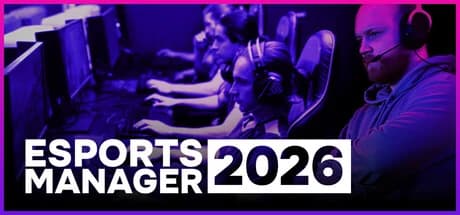
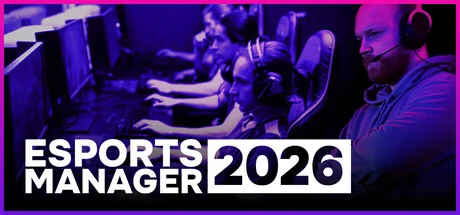
Management sims have owned football, baseball, and motorsport for years, but esports has mostly been stuck with half-finished attempts. No licenses, shallow economy, fake players, and a version of competition that never felt connected to the real scene. Esports Manager 2026 looks like the first serious attempt to build one of these games for people who actually follow Counter-Strike 2 instead of just recognizing the word “Major.”
This is not a project that wins on premise alone. The real question is whether the game still feels alive after a few seasons, when roster moves stop being novel and the systems have to carry the weight on their own. After looking through the Steam materials, the demo, player impressions, and the structure of its systems, one thing stands out: Neurona Games seems to understand that running a CS2 organization is not just about buying a better rifler and waiting for the rating to go up.
Licensing finally matters here
In this genre, real names are not cosmetic. They are part of credibility. If a CS2 management sim gives you fictional teams, anonymous players, and placeholder events, the whole thing starts to drift after a few hours. You stop thinking about roster moves, role balance, form, or contract pressure. You start thinking about how disconnected the game feels from the scene it is trying to sell.
Esports Manager 2026 is built around that connection. It treats the Counter-Strike 2 ecosystem as a foundation instead of a loose theme. That matters because the target audience for this kind of game is automatically more demanding than the average management sim player. CS fans know the names, know the roles, and immediately notice when a game is only wearing the scene as decoration.
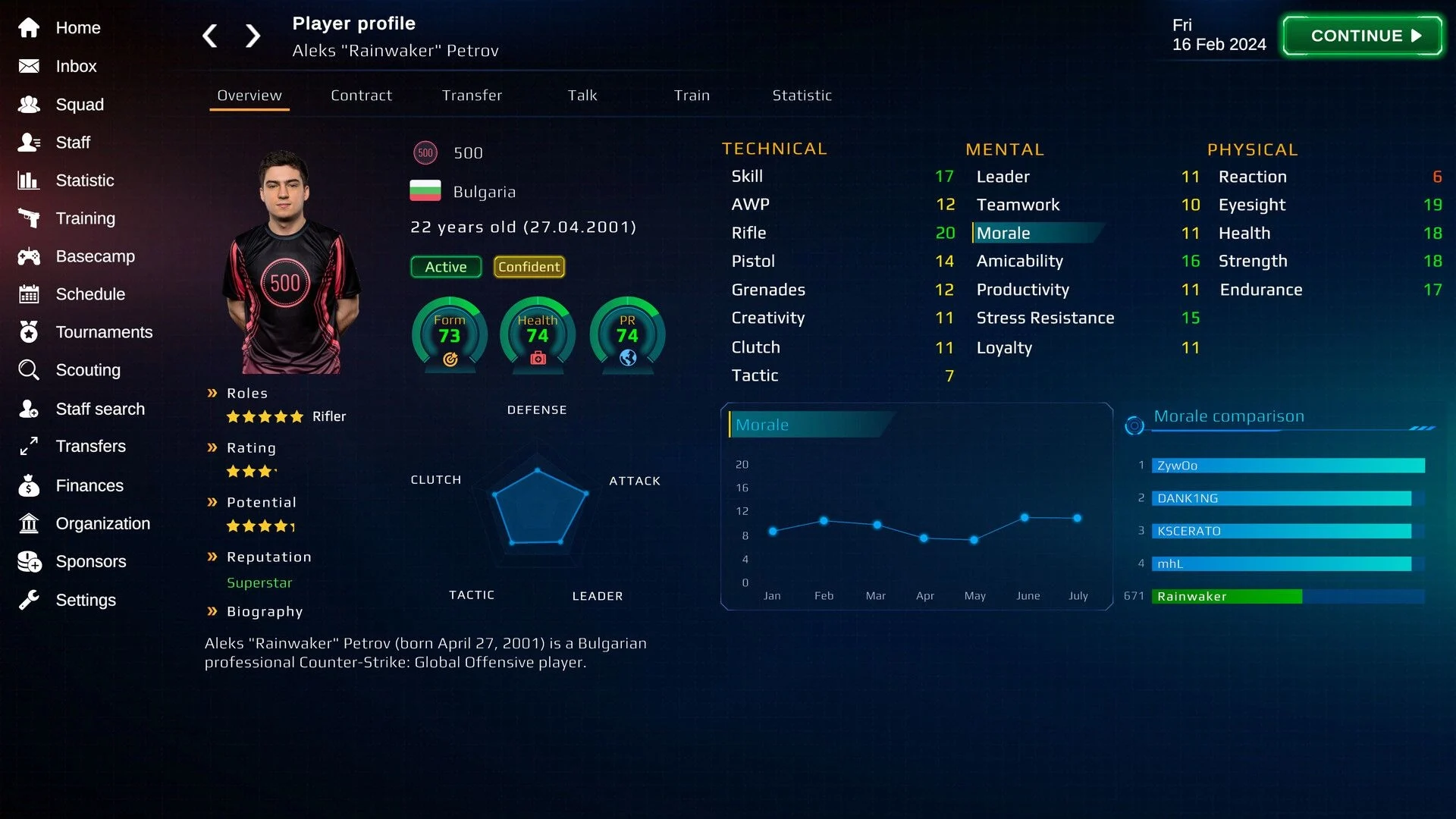
A licensed database matters because decisions gain weight. When you change a player, you are not just swapping numbers. You are thinking about role fit, pace, map identity, and the shape of the team three months from now, not just the next result screen. That is where this kind of game starts feeling real.
The most important system is not transfers. It is daily friction.
It is easy to build a manager where transfers are the only interesting part. It is even easier to build one where the rest of the experience turns into repeating the same finance and morale screen with slightly different numbers. Esports Manager 2026 looks stronger in the area where a lot of competitors collapse: the day-to-day running of an organization.
Player impressions and demo footage suggest that the game puts real weight on budget control, sponsors, support staff, player development, and psychological load. That is the right call. In professional CS2, a match result is the output of weeks of structure, not just the consequence of signing a better aimer. A roster can be stacked and still underperform if the staff is weak, the schedule is wrong, and morale slips after two bad events.
That kind of friction separates a proper management sim from a toy. Every move needs a cost. A sponsor brings money, but also pressure. A high-upside player can still wreck the room. A bootcamp can help and still eat into your operating margin. Without those tradeoffs, every season becomes the same loop: sign stronger players, wait for ratings to climb, win more often. That model does not hold attention for long.
Roster psychology may matter more than raw ratings
This is the area with the biggest upside. Counter-Strike has spent years proving that individual quality does not guarantee a working team. A lineup can be packed with stars and still feel directionless. Another can look less impressive on paper but work because the roles make sense, the staff understands the group, and the environment does not crack under pressure. If Esports Manager 2026 can capture even part of that, it already has a real edge.
No one needs melodrama for the sake of it. The system only has to make the player think. Do you bench the player who damages chemistry even if he still carries server impact? Do you keep a difficult AWPer because the team ceiling drops without him? Do you push more rest even when a sponsor expects immediate placement results? Those are decisions that sound like modern esports instead of spreadsheet role-play.
The one thing this system cannot afford is randomness without logic. If morale swings and conflicts come from readable causes, players will accept hard consequences. If they feel like dice rolls, credibility disappears fast. At this stage, the game looks more interested in structure than cheap drama. That is the better direction.
Match day has to be more than a visual wrapper
One of the oldest traps in this genre is building an entire season around matches that the player barely influences. You watch a simulation, click a couple of options, and quickly realize the result was effectively decided before the match screen even started. Once that feeling sets in, tension dies.
Esports Manager 2026 seems to aim higher. The current material suggests match day is supposed to be about economy management, timeouts, pacing, and game plan adjustments. It does not need to become a tactical RTS. That would be overkill. It just needs to make the player feel that preparation and intervention actually matter once the server goes live.
That relationship between preparation and execution is everything in a CS2 manager. If the match layer is readable and reactive instead of passive, it gives meaning to all the choices made before it. Without that link, the rest of the game risks turning into background math with a commentator on top.
The biggest risk is repetition after the first strong impression
This genre always has the same test. The first five hours often look good. The real evaluation begins in season two or three, when the player starts seeing whether the systems create genuine variation or simply recycle the same loop with slightly different budgets. Esports Manager 2026 is not exempt from that test.
If sponsors work like copy-paste contracts, if roster movement becomes predictable, and if the meta only shifts on the surface, then even a strong license will not carry the game very far. A management sim needs movement. It needs uncertainty that cannot be solved by one universal strategy. Otherwise every season feels like a rerun with slightly better staff and bigger numbers.
Right now the outside view is promising, but it is still fair to say that the game will only prove itself through long play. That is not a knock on this specific project. It is simply the threshold every serious management sim has to clear if it wants to survive beyond launch curiosity.
Why this feels more credible than earlier esports management attempts
The biggest difference is tone. A lot of earlier esports projects treated the subject like a theme pack. A few transfers, a few tournaments, a few sponsors, some generic “pro gaming” styling, and not much else. Esports Manager 2026 looks more like a game made by people who understand that a CS2 organization is part sport, part business, and part workplace.
That mix is where the real potential sits. You do not win because a menu looks professional. You win because one bad staffing decision slows development, two weak events damage the budget, and one badly timed roster move costs a month of progress. If the game can sustain that pressure, it does not need a pile of side modes to stay interesting.
On that front, Esports Manager 2026 does not look like another project using esports as a fashionable wrapper. It looks like a genuine attempt to build a proper management game with Counter-Strike 2 at the center instead of in the margins.
Comments
Discussion
Join the conversation around this story.
Join the discussion
Sign in to comment and reply to other readers.
Sign inNo comments yet
Start the discussion first.